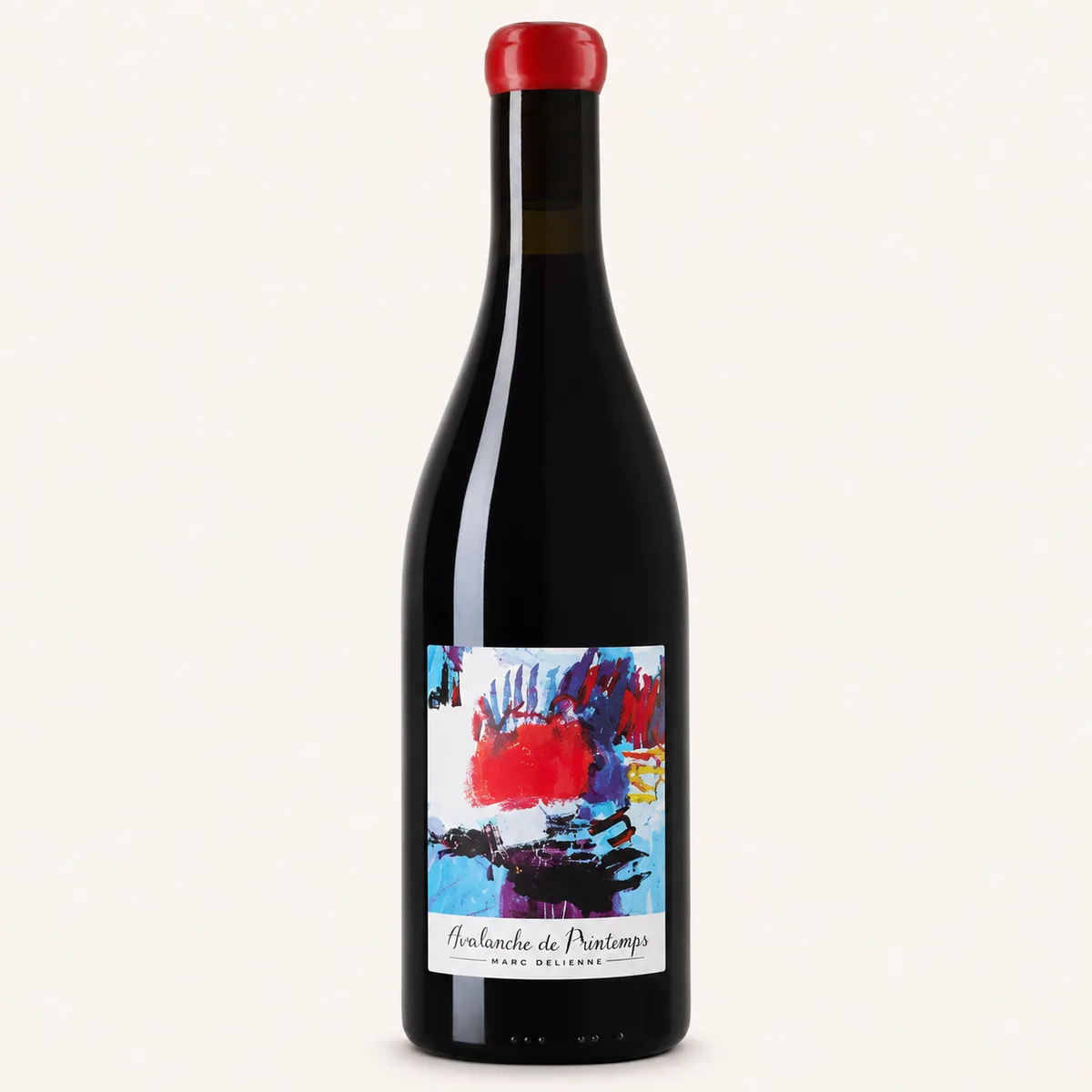
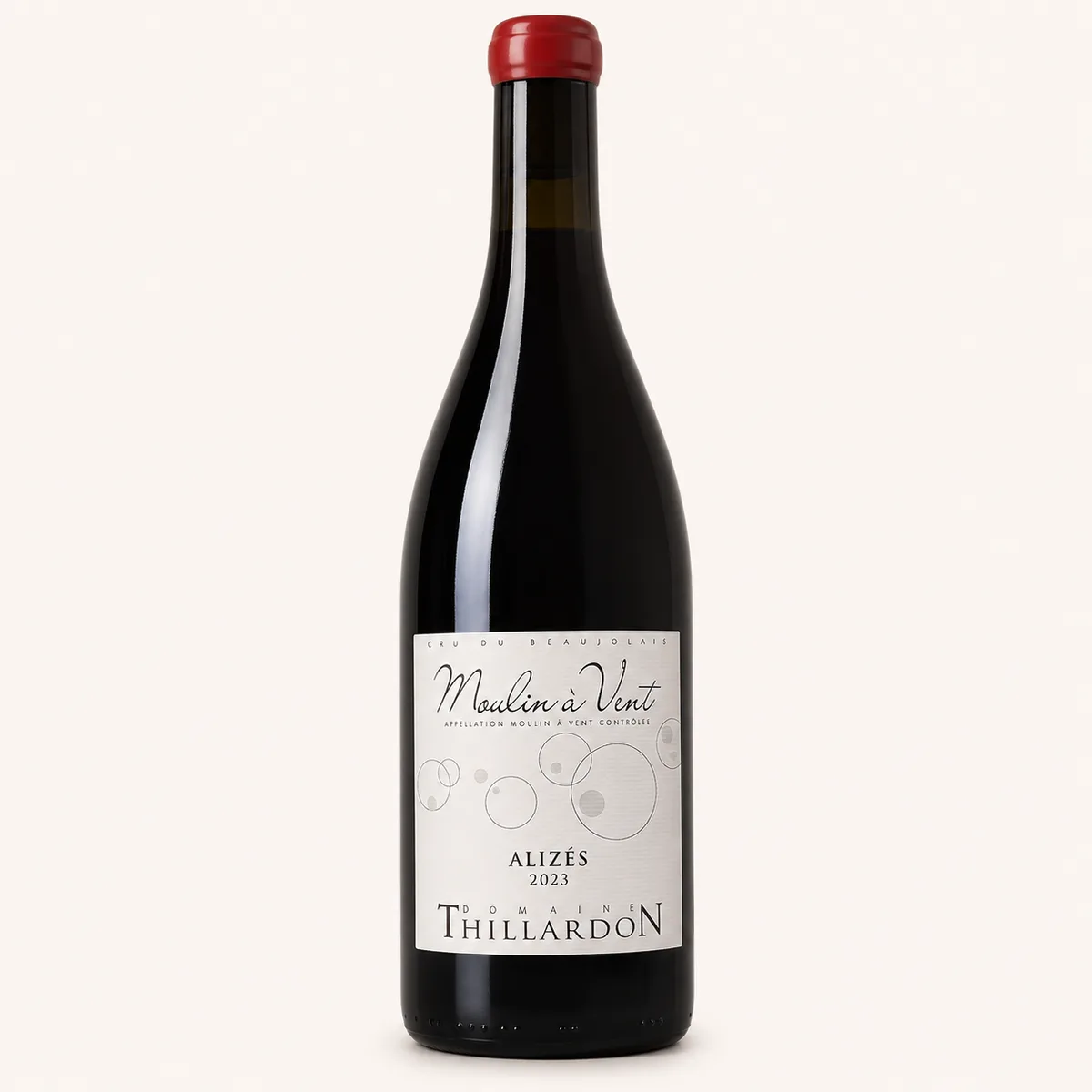
Beaujolais lies between Burgundy and Lyon and is almost entirely Gamay. In the north lie the ten cru villages on granite, where the grape gives both juicy and more structured wines. It was here that the modern natural wine movement took shape.
The history of natural wine largely begins in Beaujolais. The chemist and winemaker Jules Chauvet already advocated wine without added sulphur and with wild yeast in the middle of the 20th century. In the 1980s four growers in Villié-Morgon took his ideas further: Marcel Lapierre, Jean Foillard, Guy Breton and Jean-Paul Thévenet, often called the Gang of Four.
The grape is Gamay. South of Villefranche the soil is more clay and limestone, and lighter wines are made here under the name Beaujolais. In the north granite and schist dominate, and here are Beaujolais-Villages and the ten crus: Saint-Amour, Juliénas, Chénas, Moulin-à-Vent, Fleurie, Chiroubles, Morgon, Régnié, Brouilly and Côte de Brouilly. Vinification is often carbonic or semi-carbonic maceration with whole bunches, which gives fruity wines with low tannin.
The producers at PACT in Beaujolais are Jean Foillard, Alex Foillard, Domaine Thillardon, Domaine L&C Desvignes, Marc Delienne, Robert-Denogent and Arpayé.
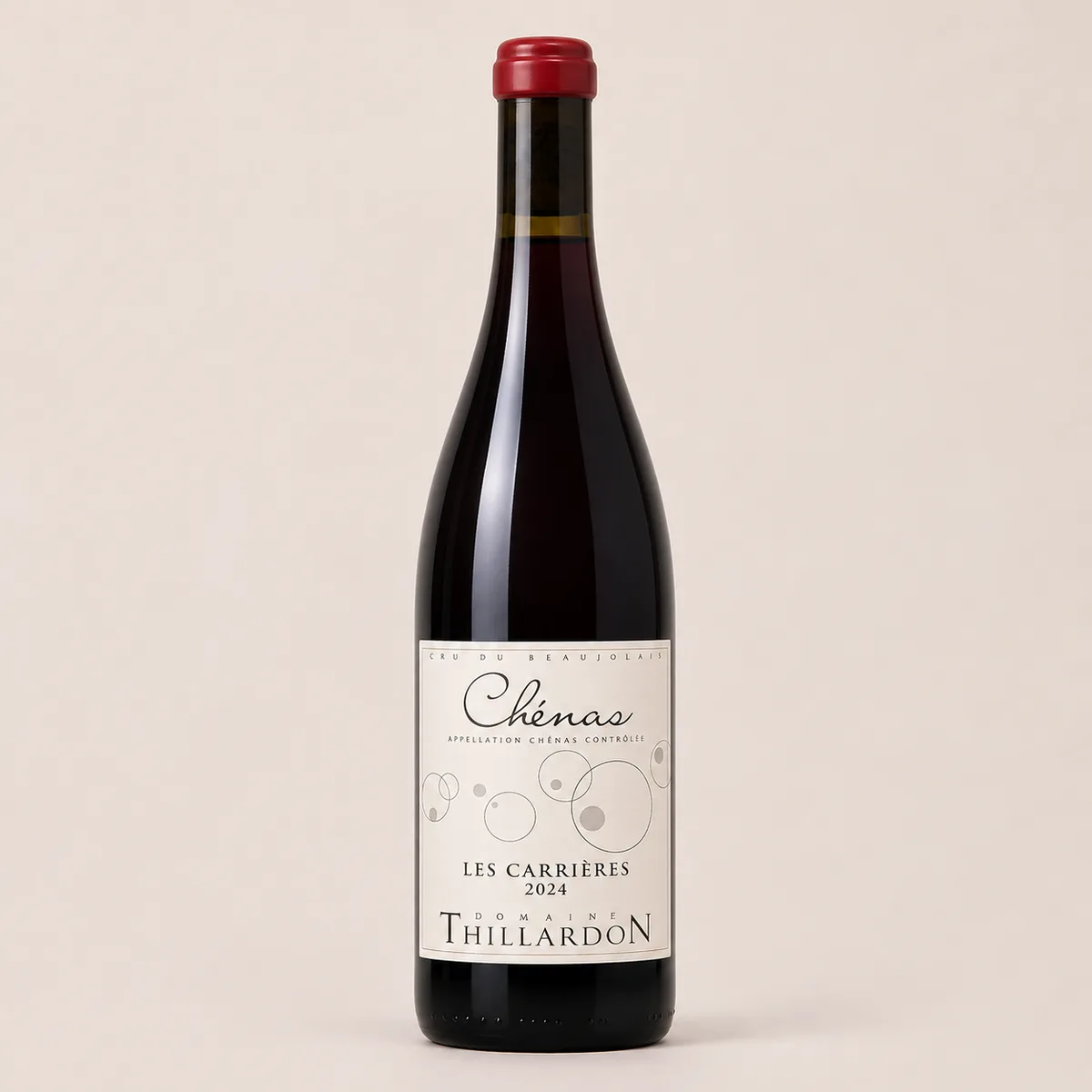
Les Carrières 2024
Domaine Thillardon
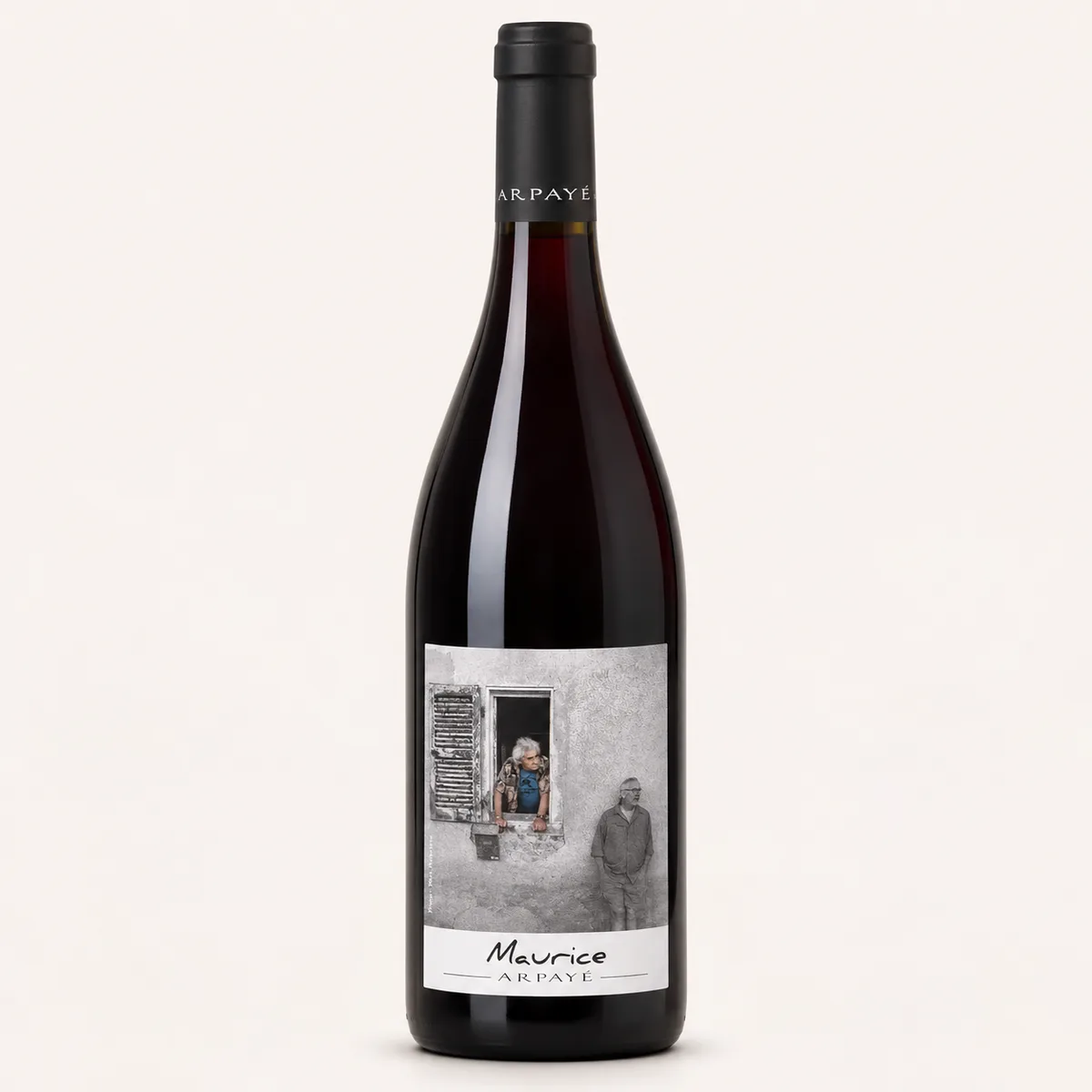
Maurice 2022
Arpayé
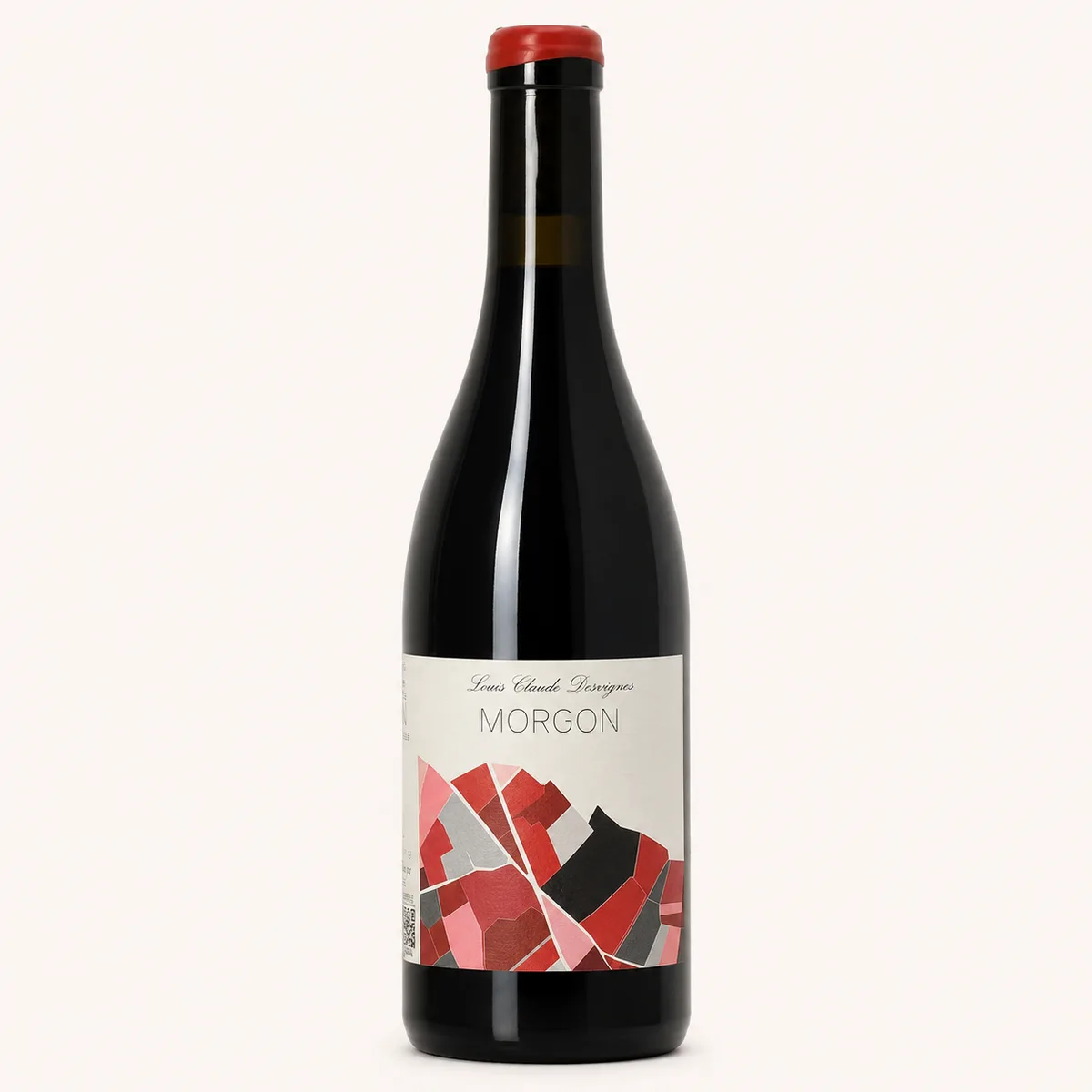
Corcelette 2022
Domaine L&C Desvignes
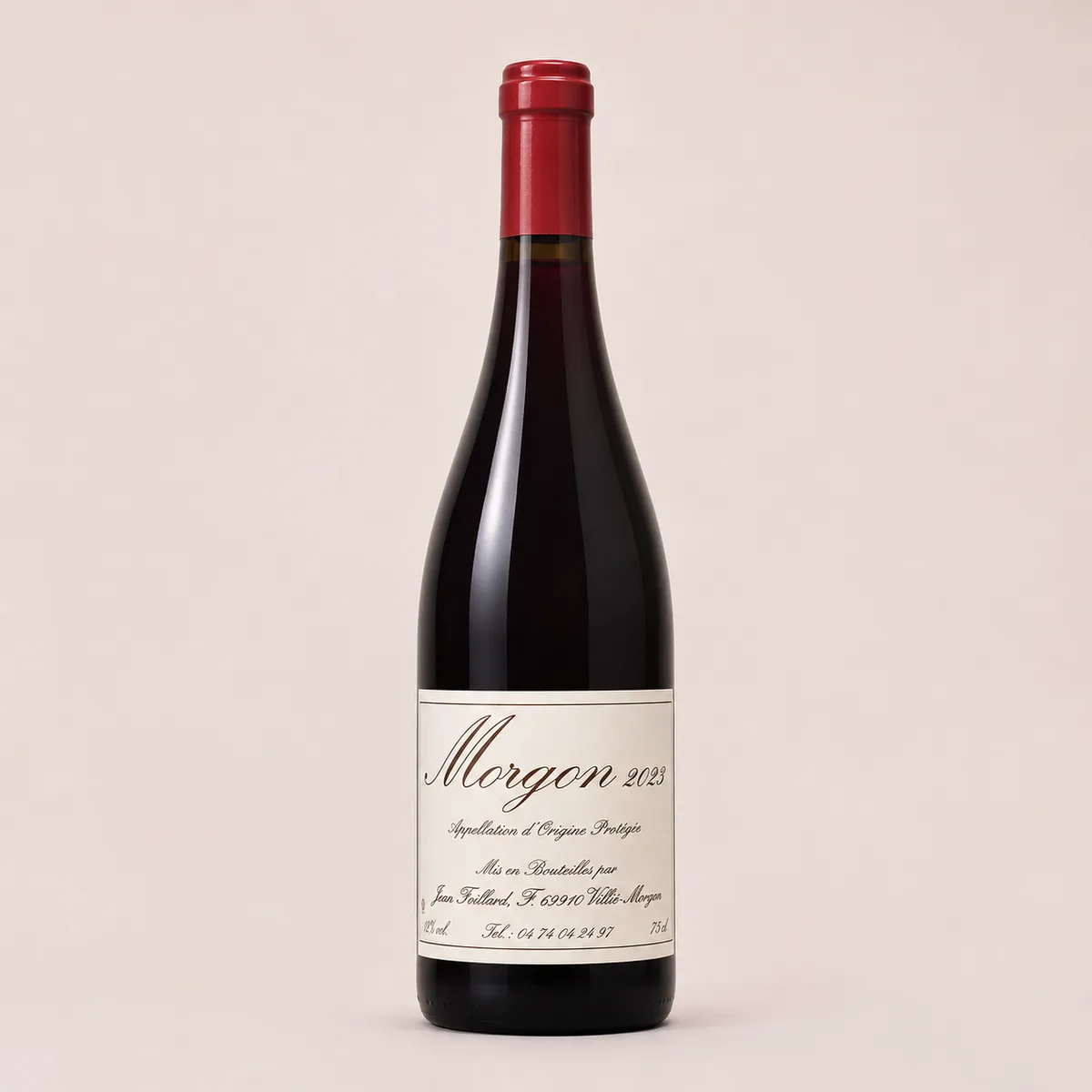
Morgon Classique 2023
Domaine Jean Foillard
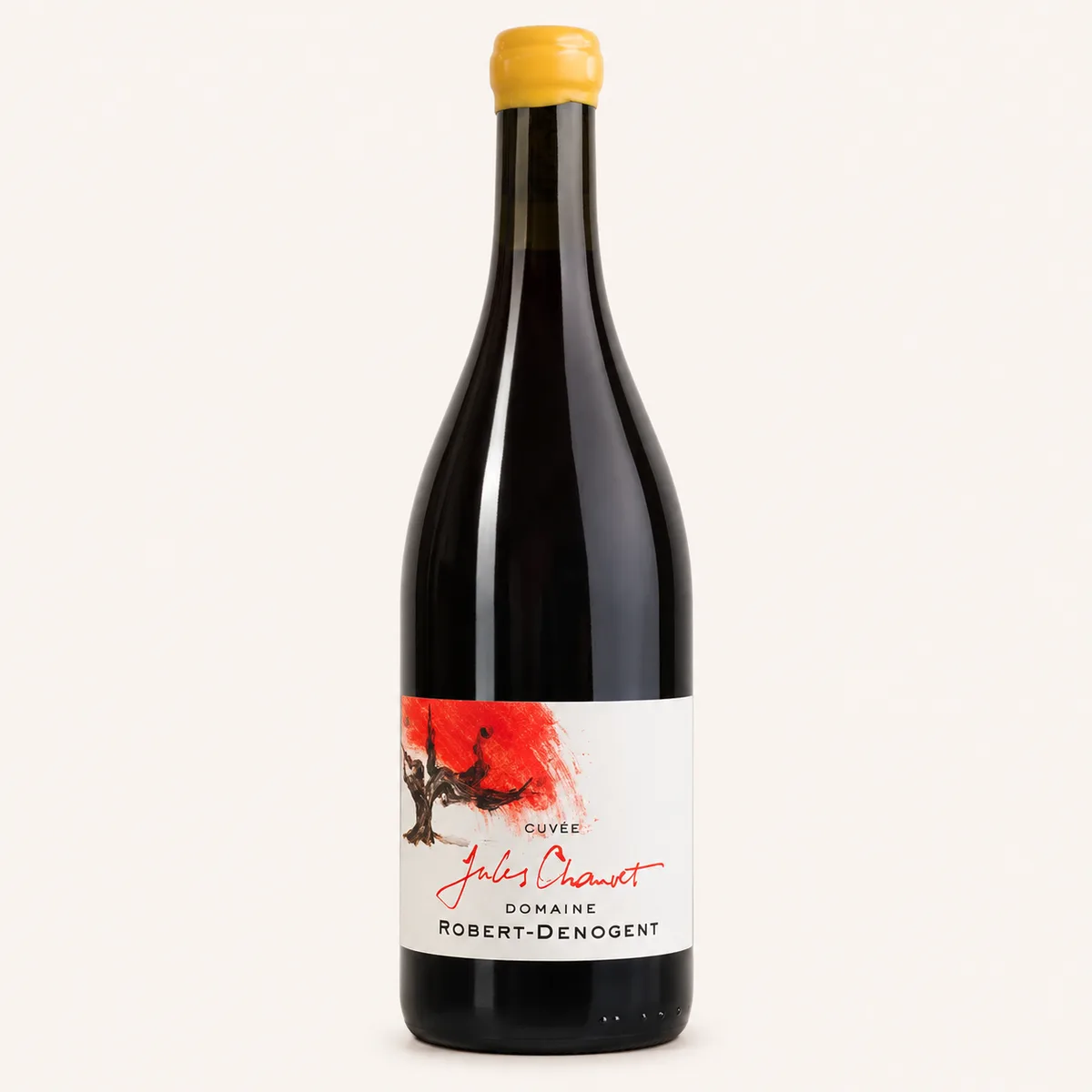
Cuvée Jules Chauvet 2023
Domaine Robert-Denogent
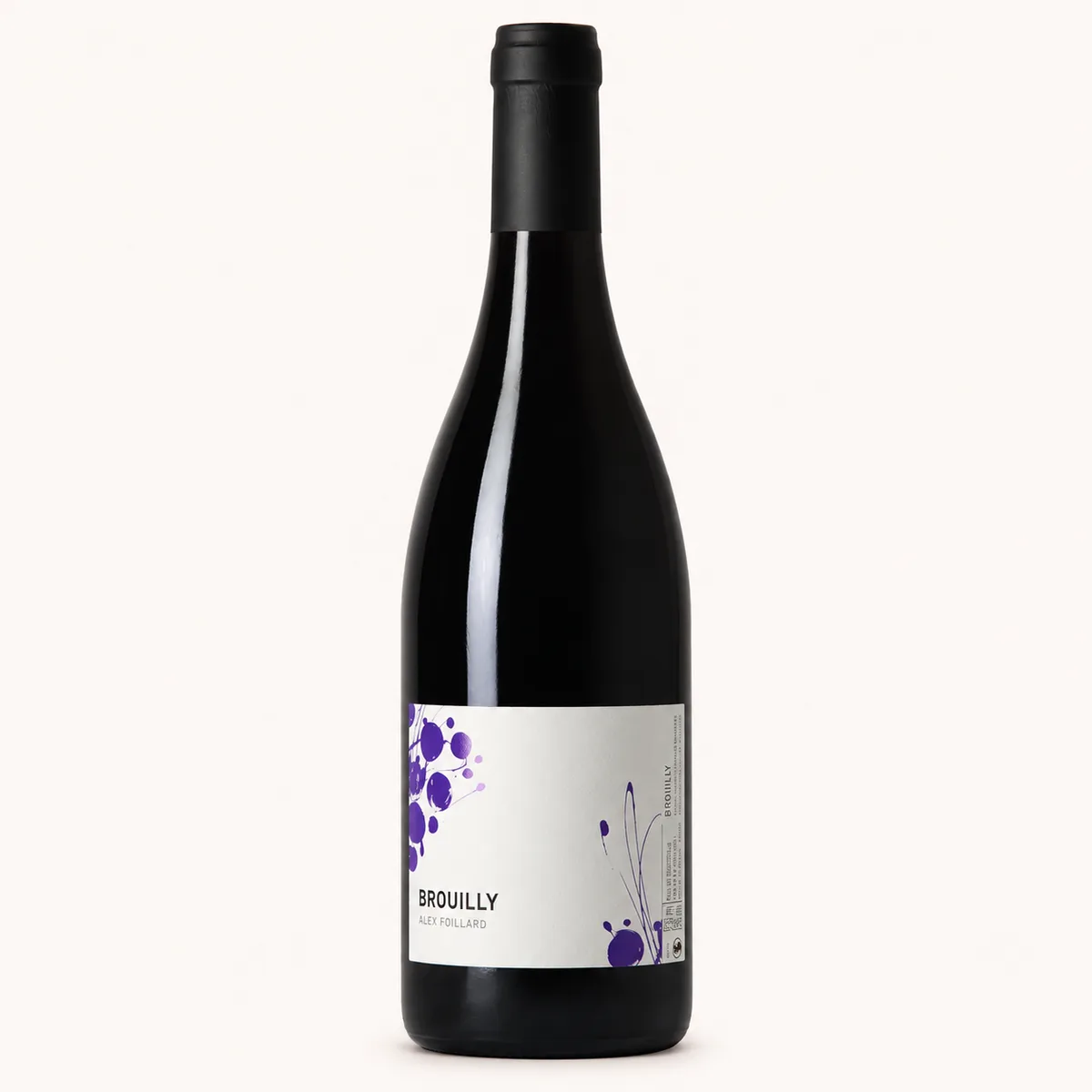
Brouilly 2023
Domaine Alex Foillard