MENU

Carignan is unusually well suited to natural wine production. Old vines give natural concentration with few or no additives, high fruit acidity acts as preservation and the grape's thick skins handle long macerations without losing balance.

Ciel à perdre 2023
Domaine Henri Chauvet

Pousse Cailloux 2025
Romain Le Bars - Domaine Pousse Cailloux
Natural wine from Carignan is about one choice: letting the grape work on its own. No added yeast, no added sulphur, no filtration. It is a risk that requires healthy fruit — and that is exactly what old gobelet vines on poor soils provide.
The producers at PACT work with different maceration styles depending on the vintage and the character of each parcel. Alexandre Durand at Pèira Levada in Faugères runs 90-day maceration — exceptionally long, but the age of the vines gives the tannins the ripeness and structure to carry it. Pierre Regnault in Assignan opts for early harvest and whole-cluster maceration for maximum freshness and a little carbon dioxide as natural protection. Thomas Chany in Puisserguier works shorter with cold maceration to highlight the grape's fruit character.
The result is wines that vary more than conventional Carignan — that is the point. With few or no additives, each bottle tells its vintage and its soil in a way that standardised products never can.
Carignan natural wine, often from old vines.

Jaja 2025
Domaine Les Deux Terres

Les Clairsemés 2023
Meigoon
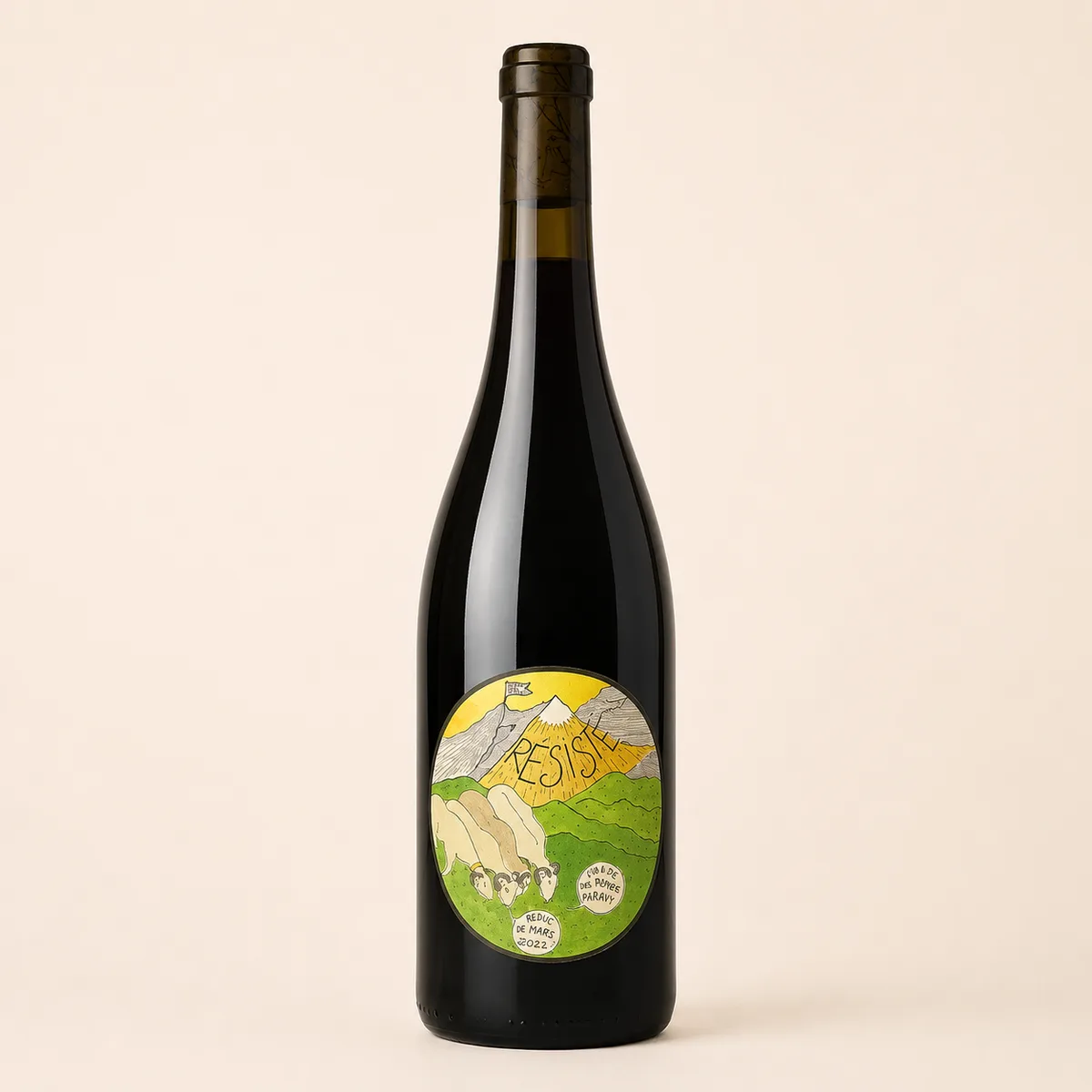
Résiste 2025
La Marotte
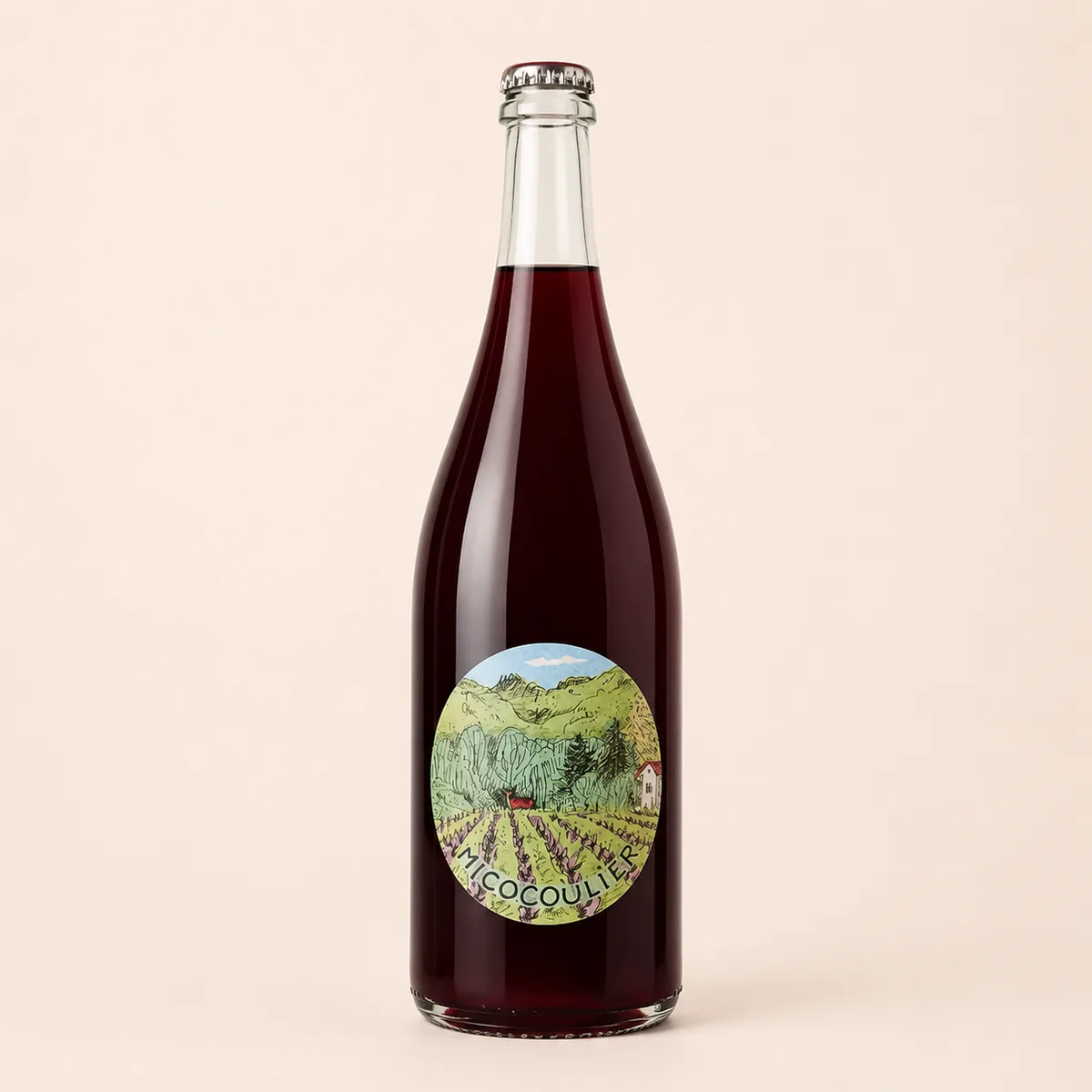
Micocoulier 2025
La Marotte
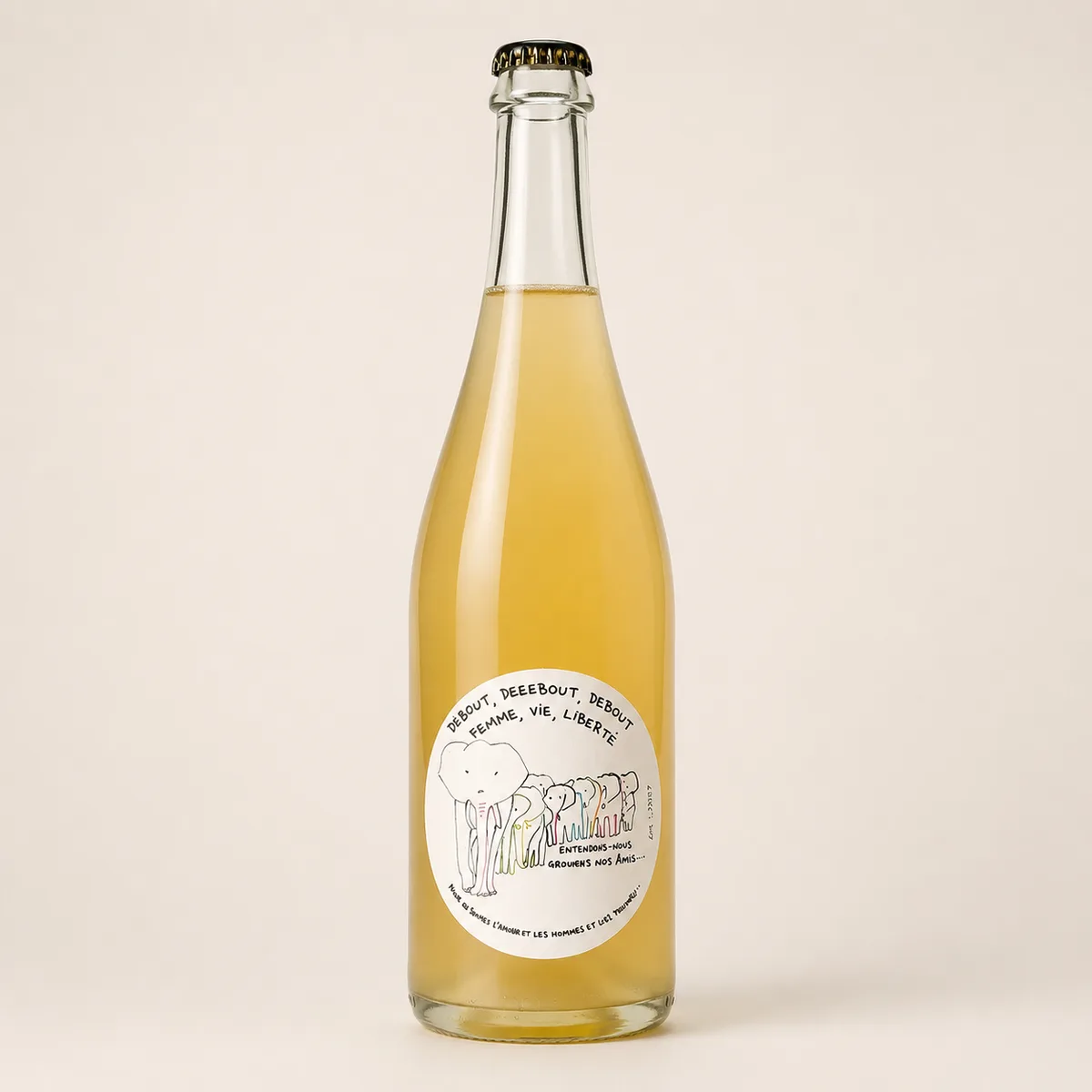
Debout 2025
La Marotte
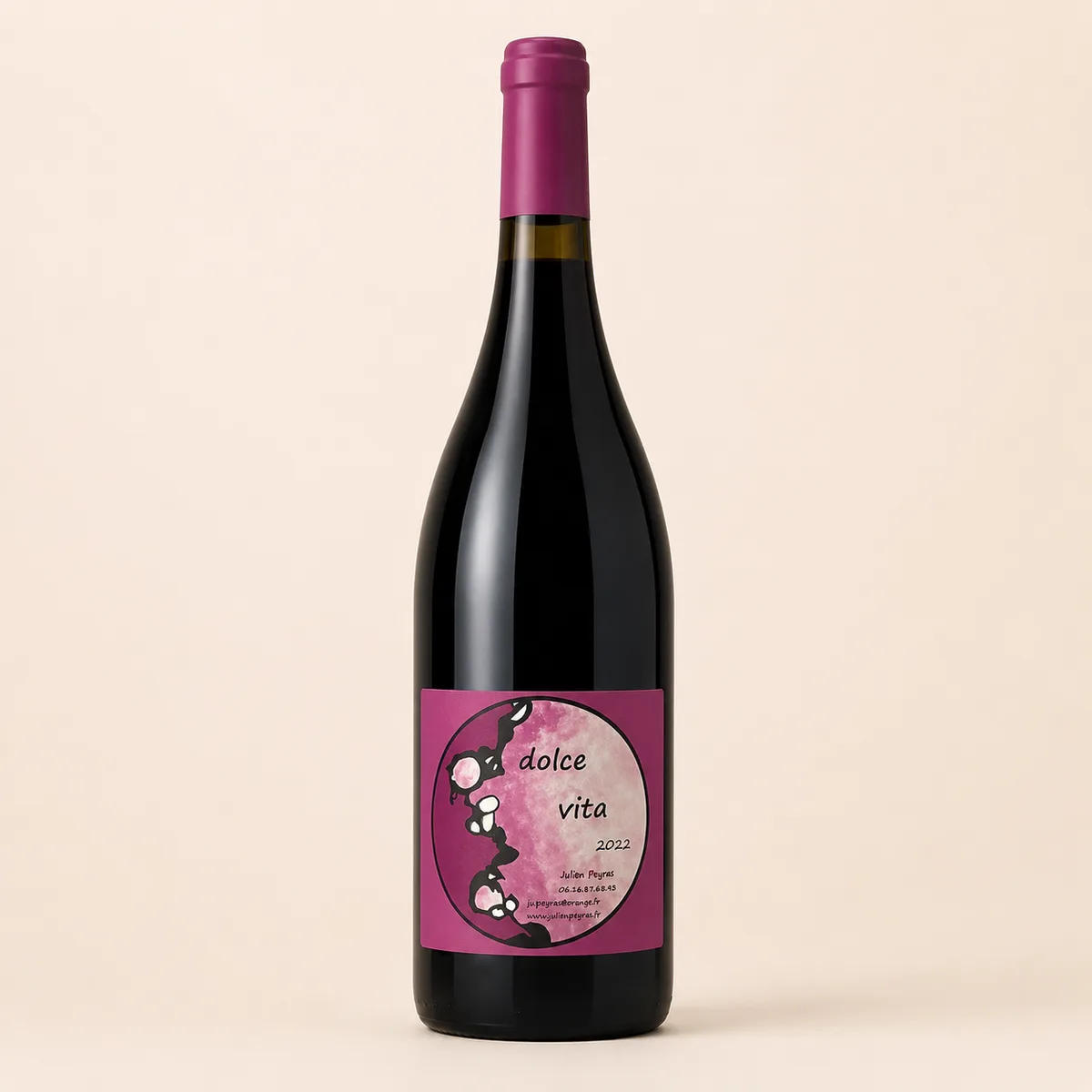
Dolce Vita 2022
Julien Peyras
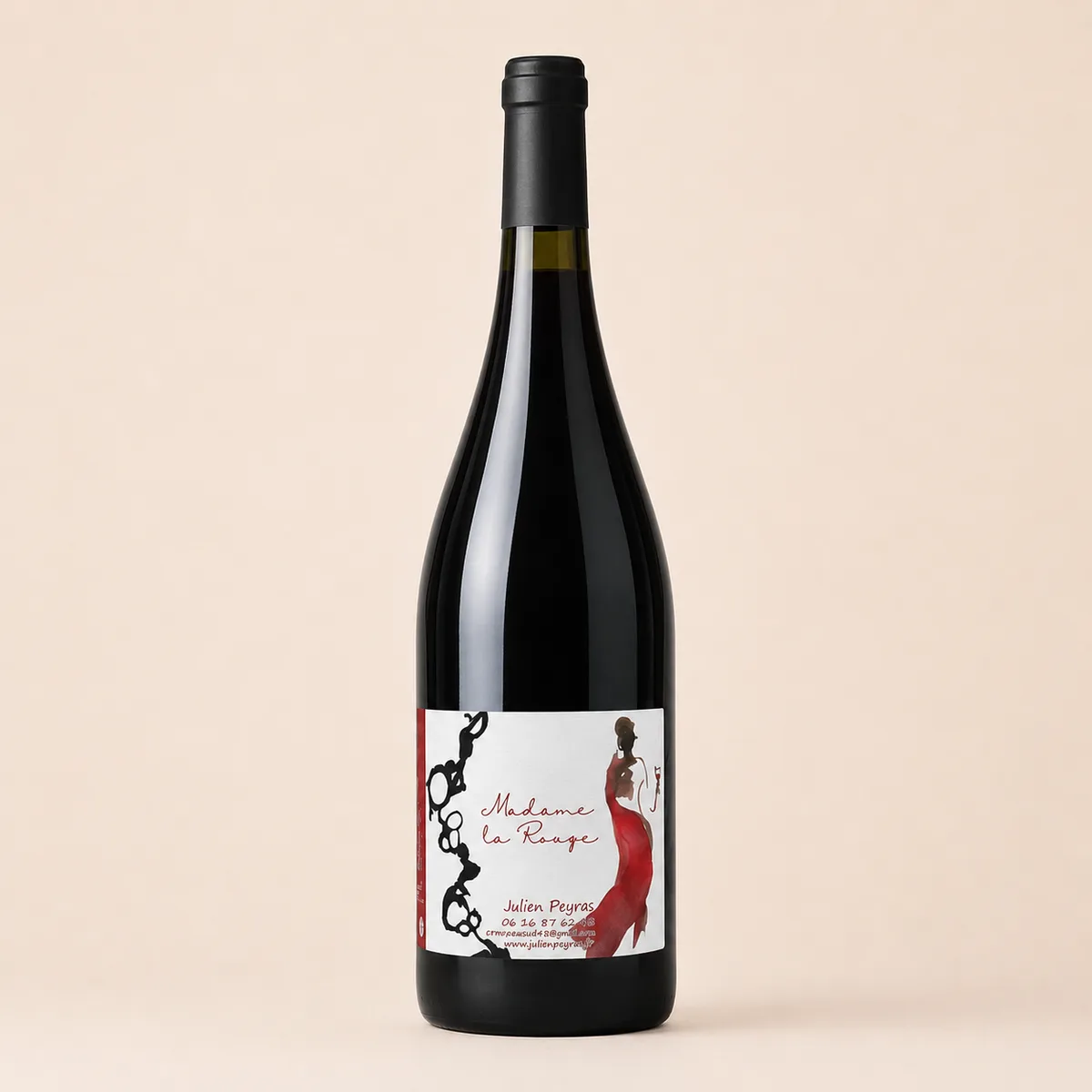
Madame la Rouge NV
Julien Peyras
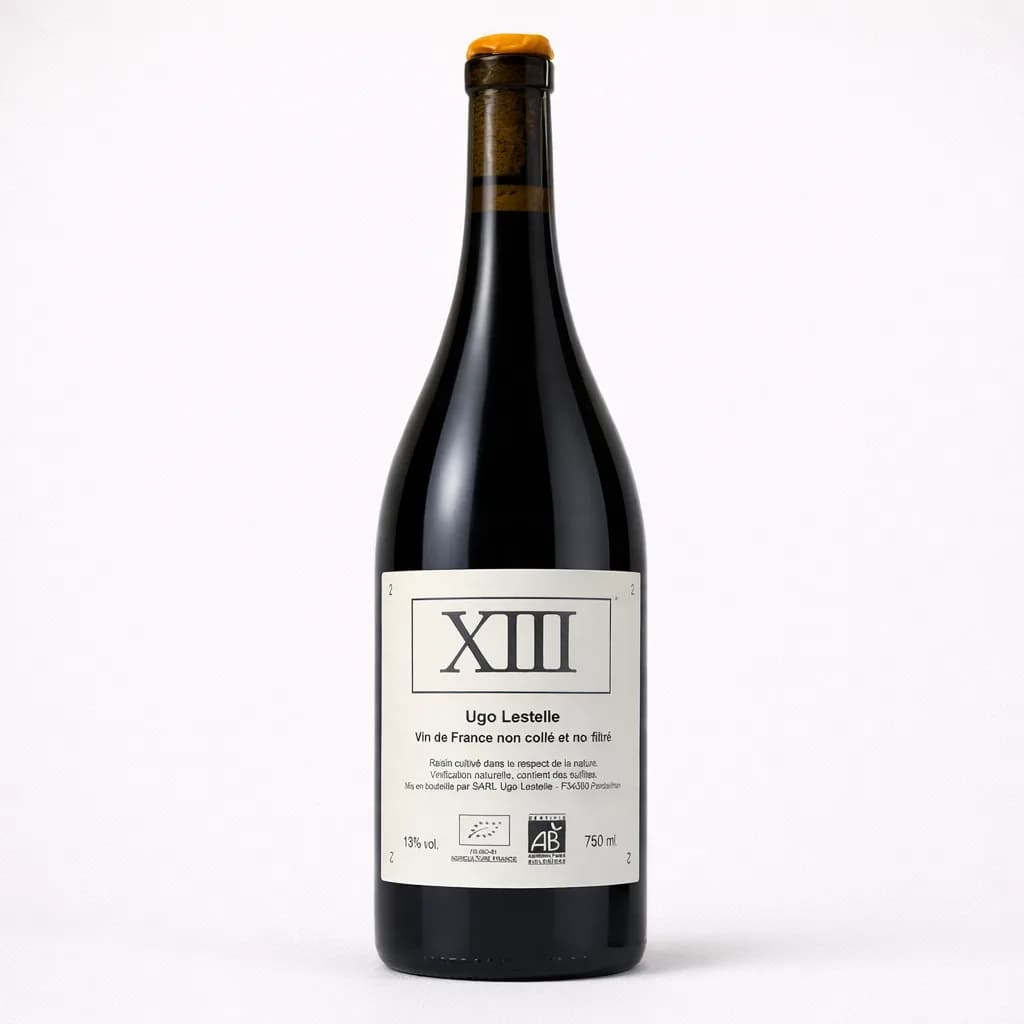
XIII 2023
Ugo Lestelle
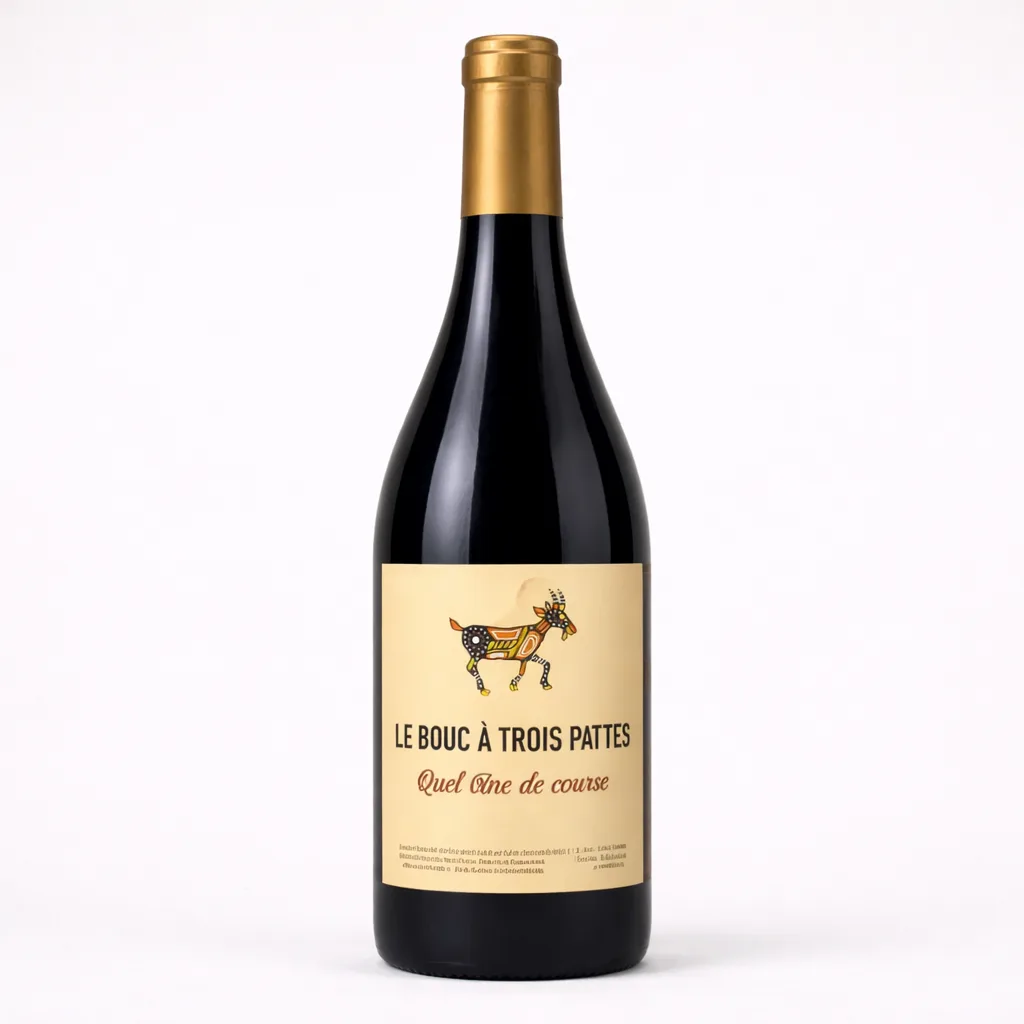
Quel âne de course 2023
Le Bouc A Trois Pattes
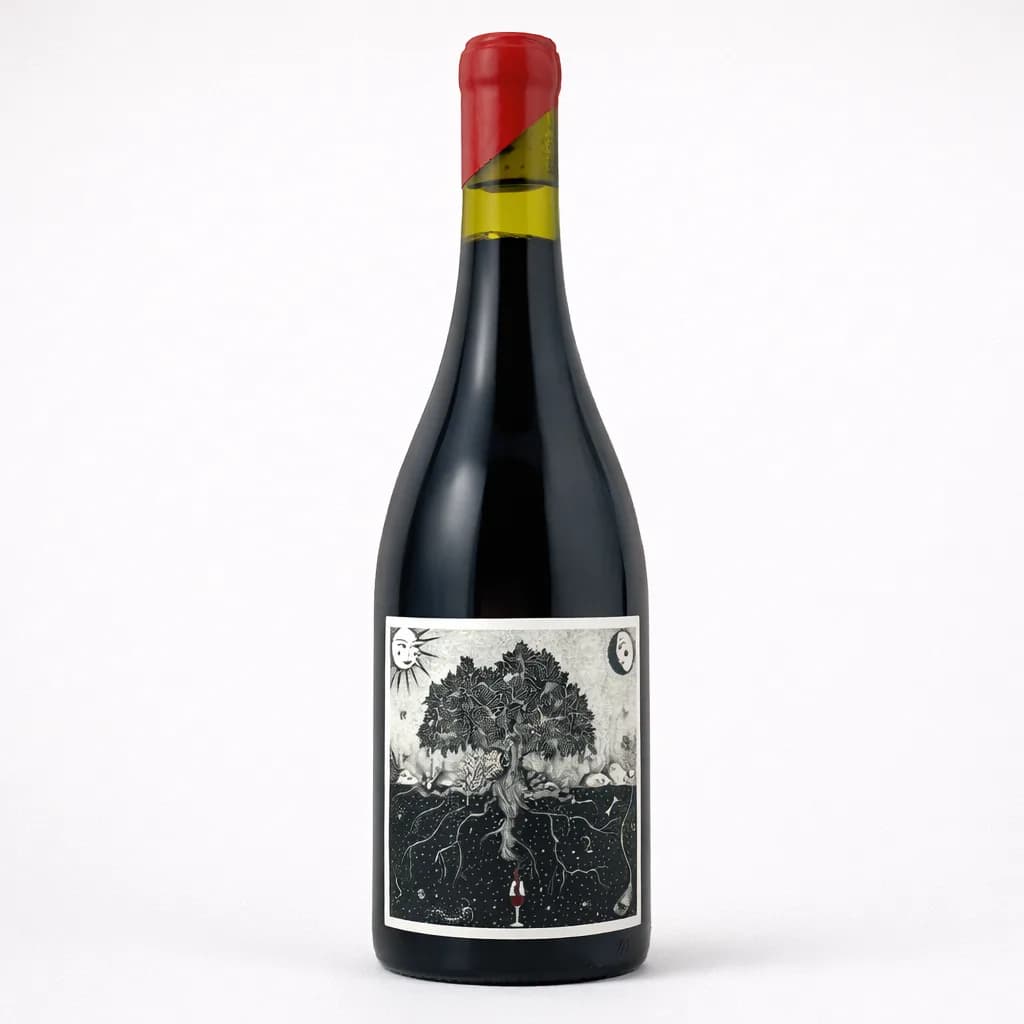
Carignan Radical 2022
Peira Levada
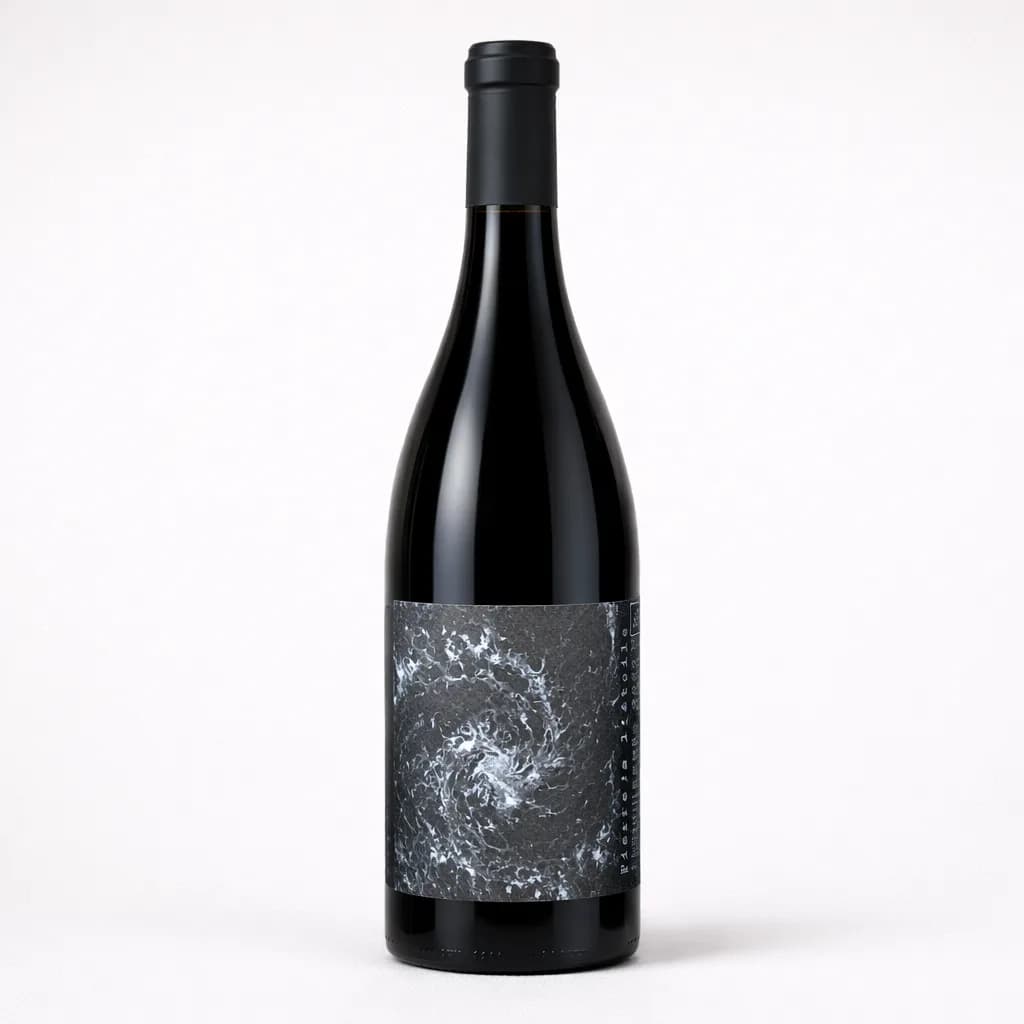
Maelström 2022
Pierre et l'Étoile
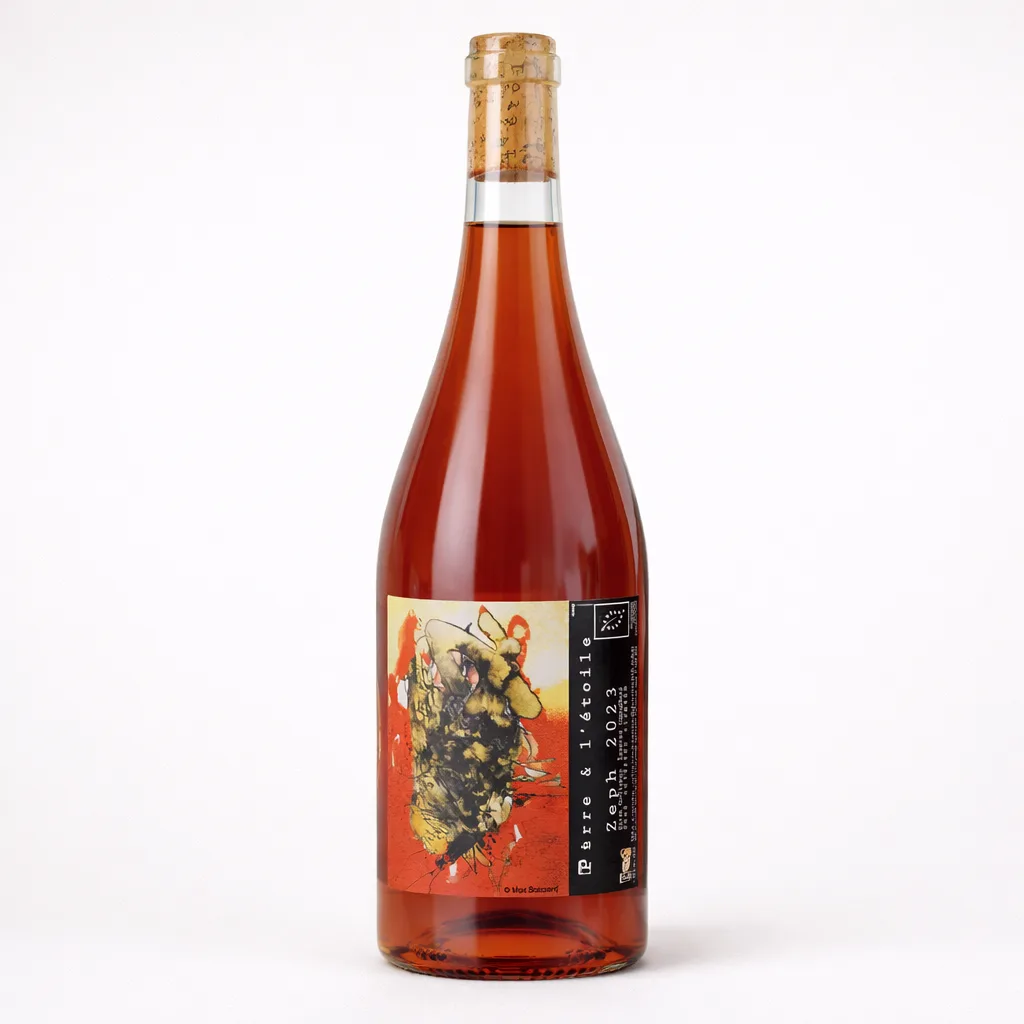
Zeph 2023
Pierre et l'Étoile
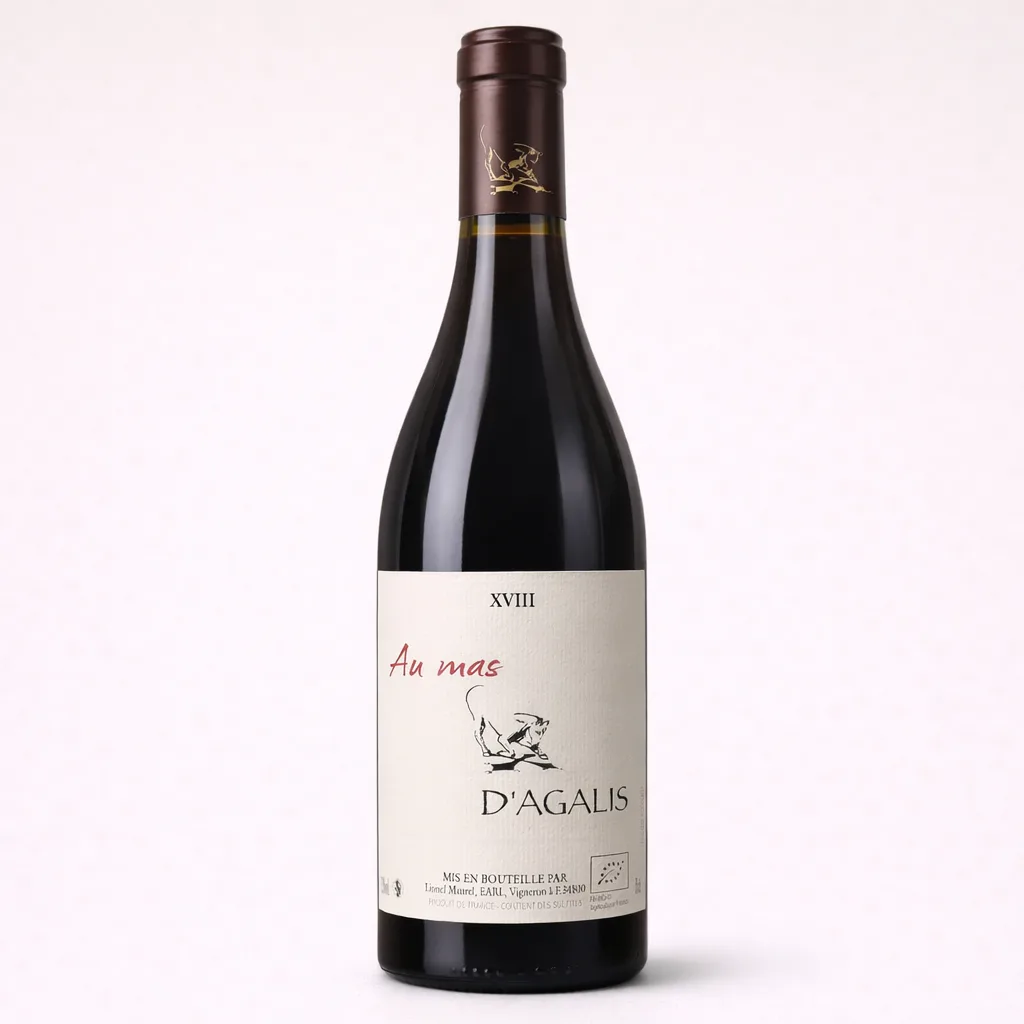
Au Mas 2024
Mas d'Agalis
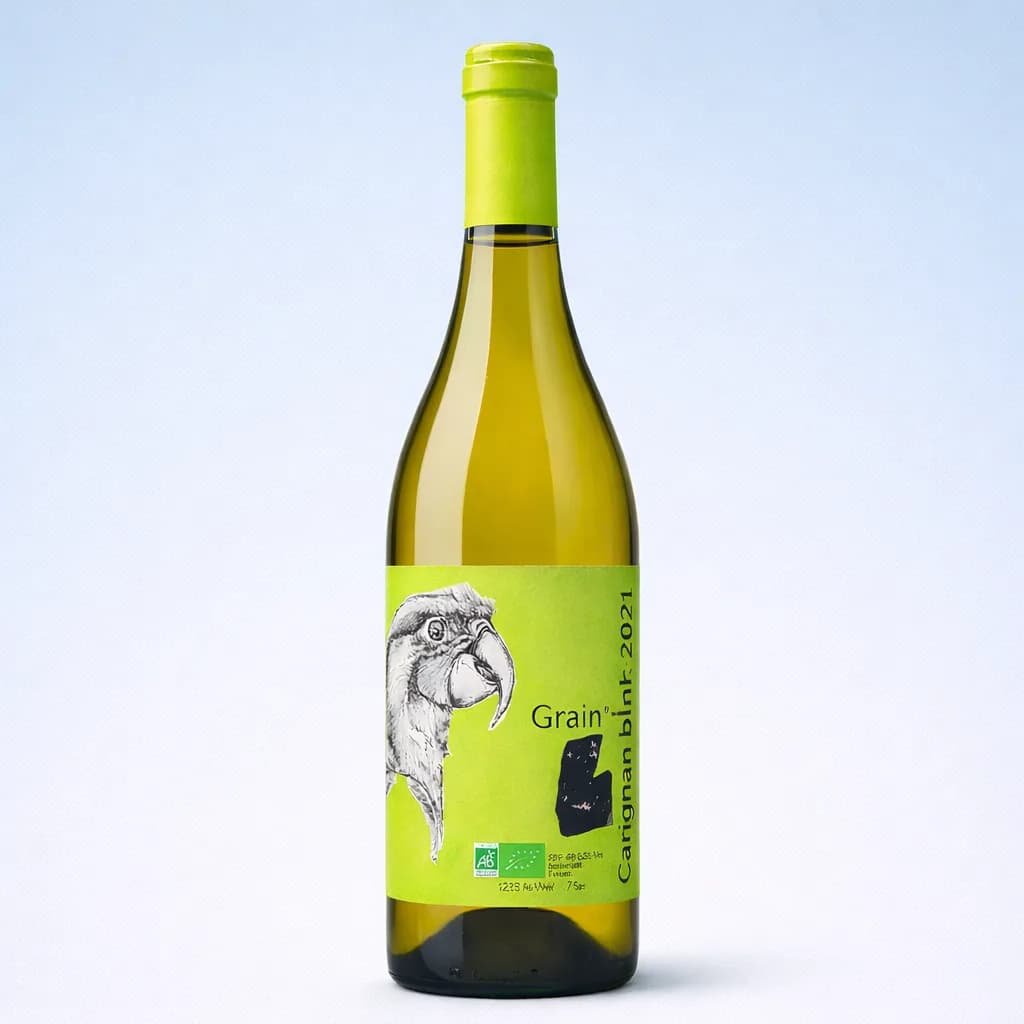
Carignan Blanc 2024
Grain D’L
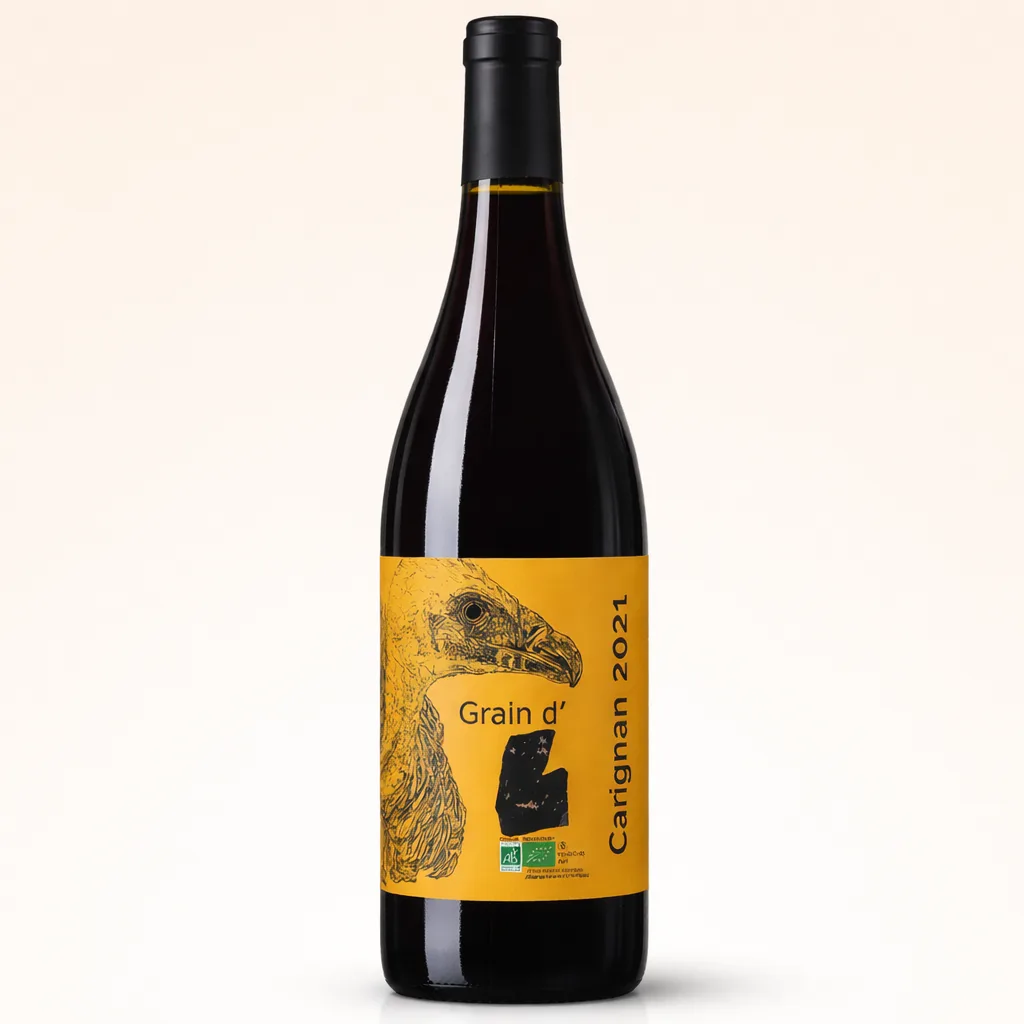
Carignan 2024
Grain D’L
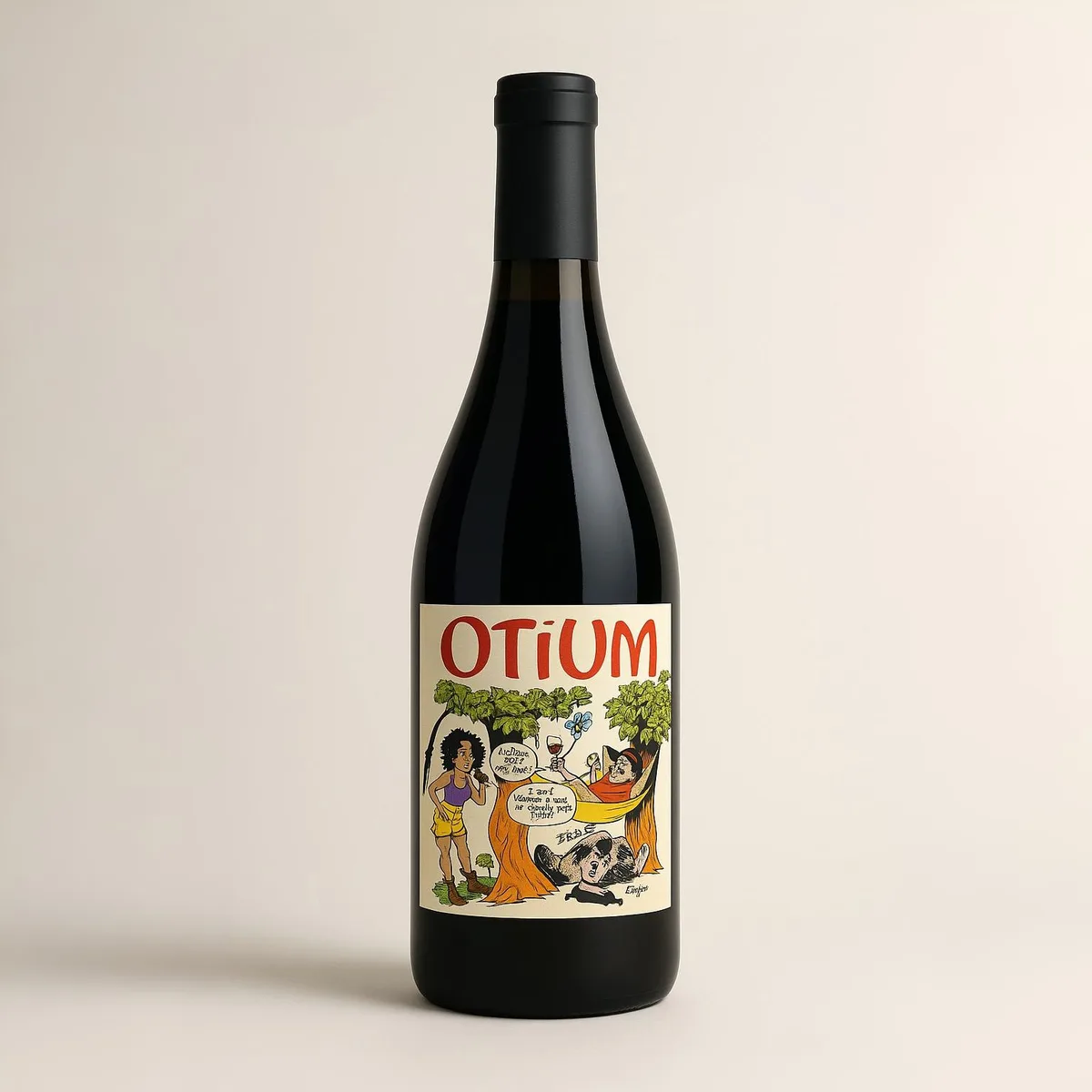
Otium 2023
Peira Levada
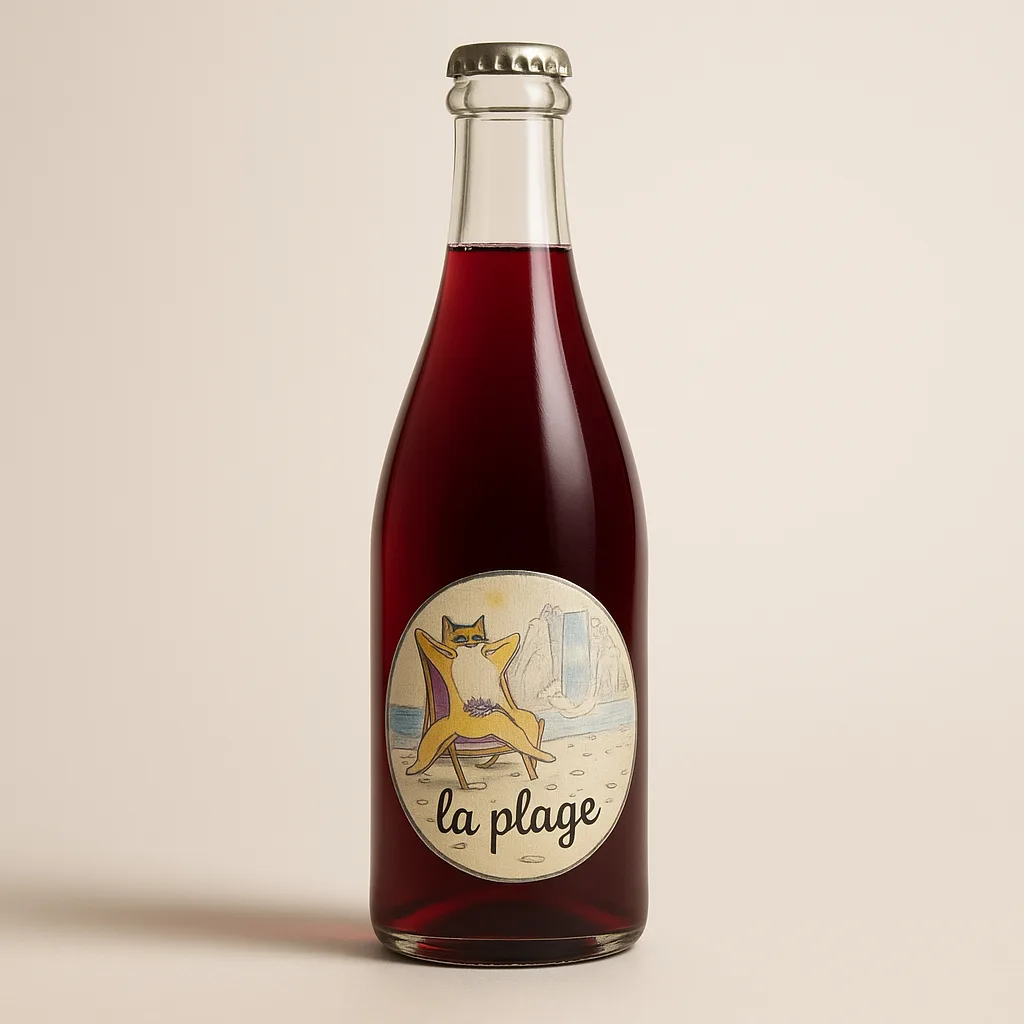
La Plage 2024
La Marotte
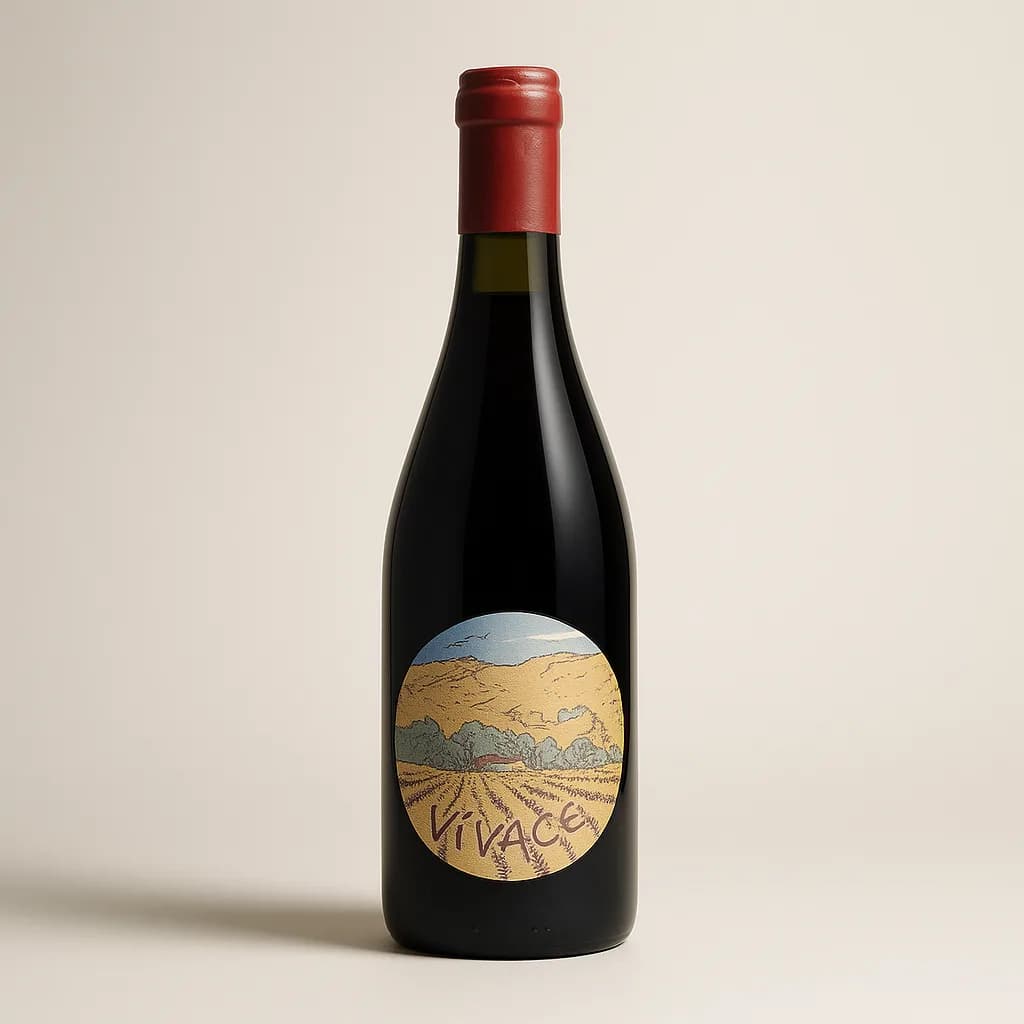
Vivace 2024
La Marotte
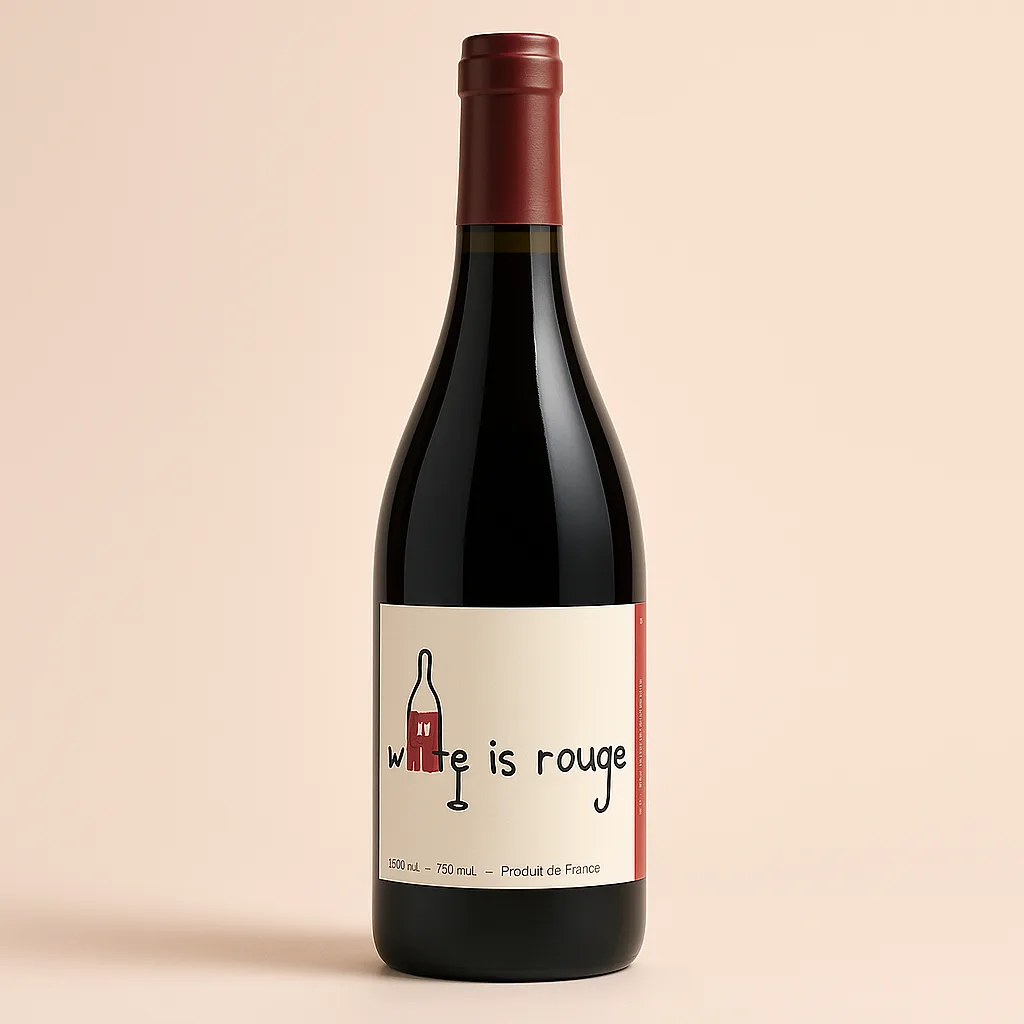
White is Rouge 2021
Gregory White
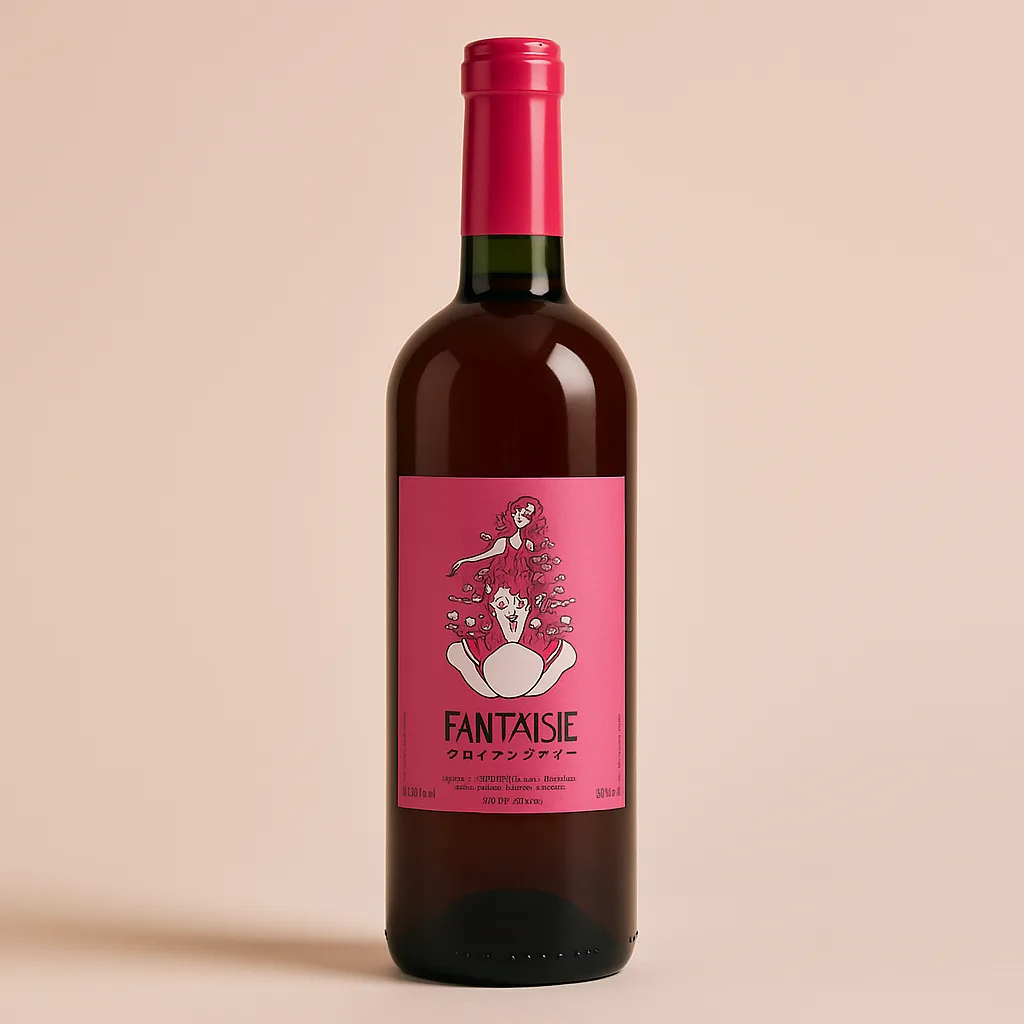
Fantaisie Rouge Clair 2024
Clos Fantine
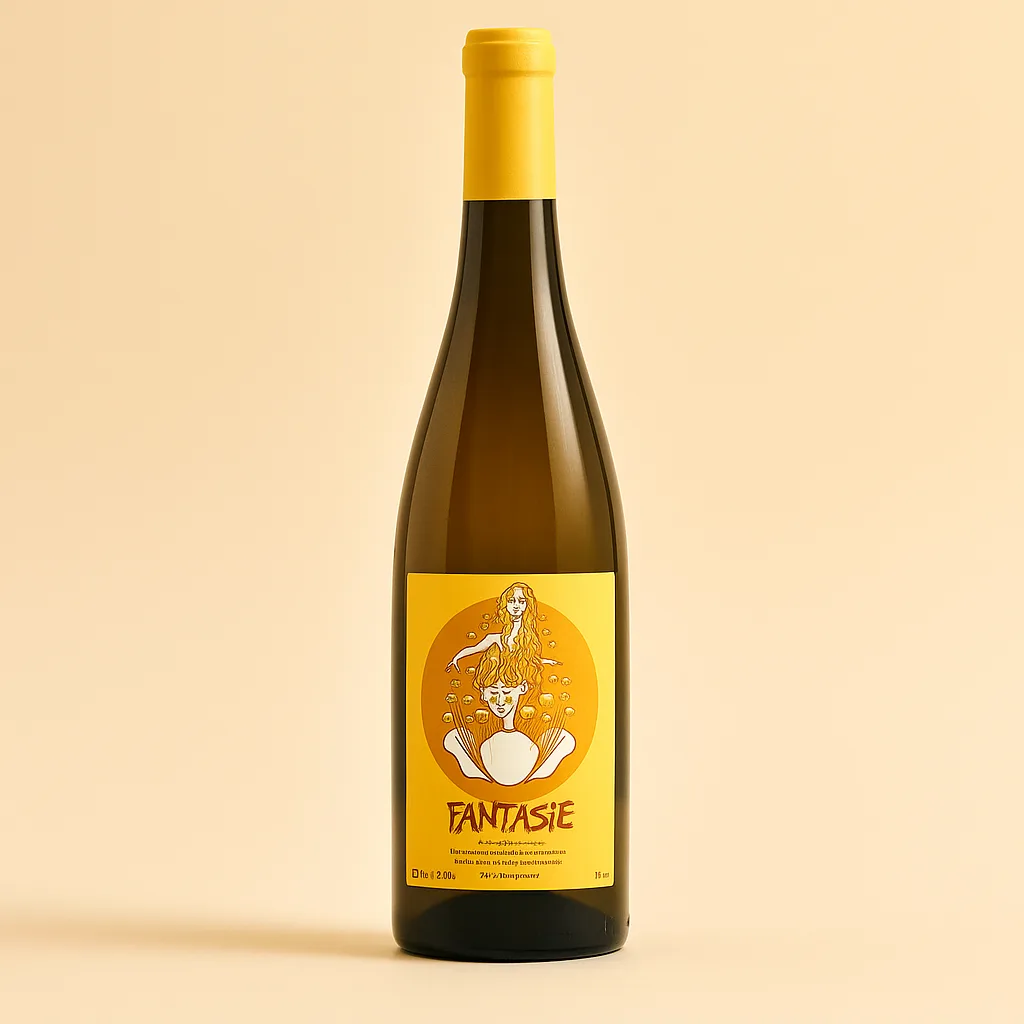
Fantaisie Orange 2024
Clos Fantine
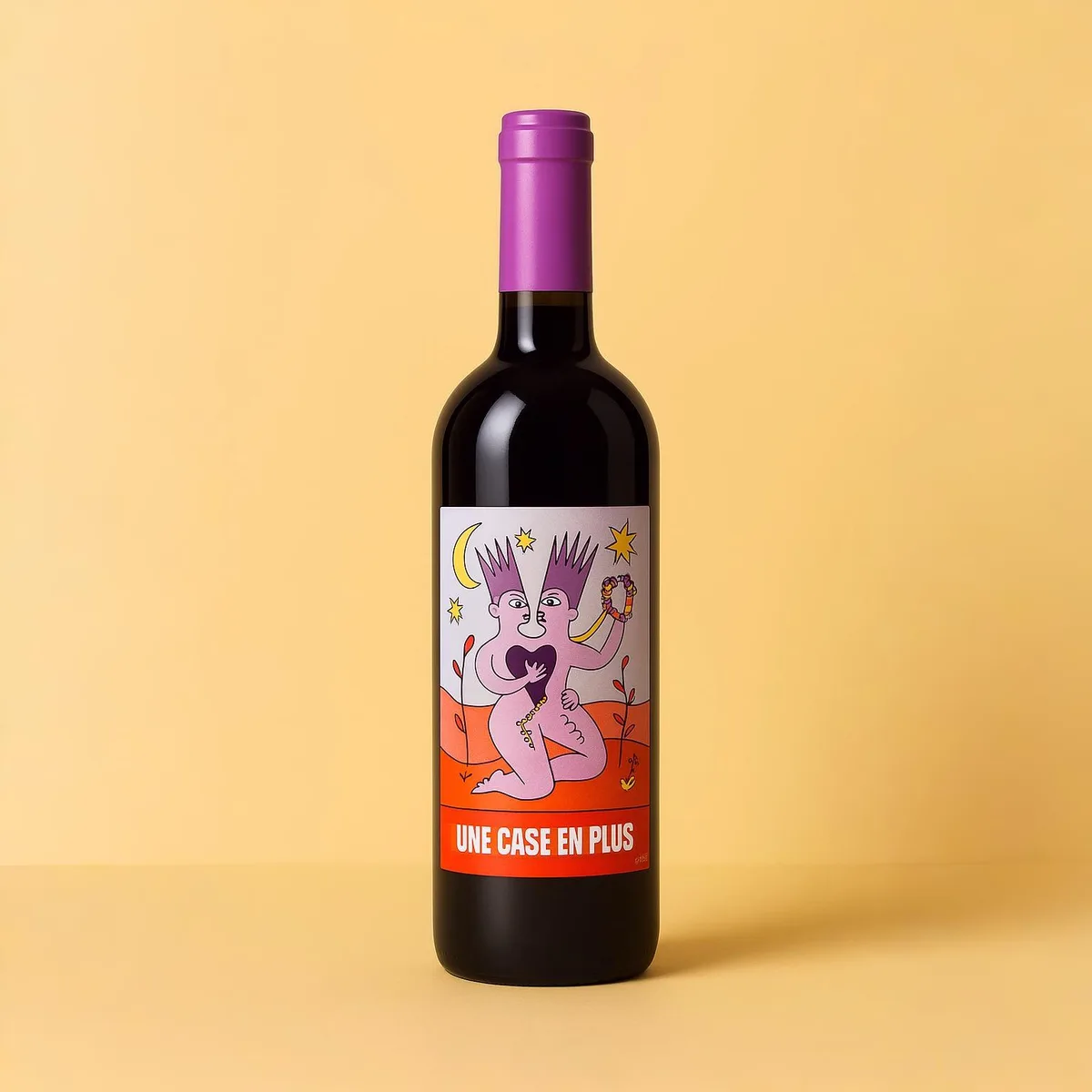
Une Case en Plus 2021
Clos Fantine
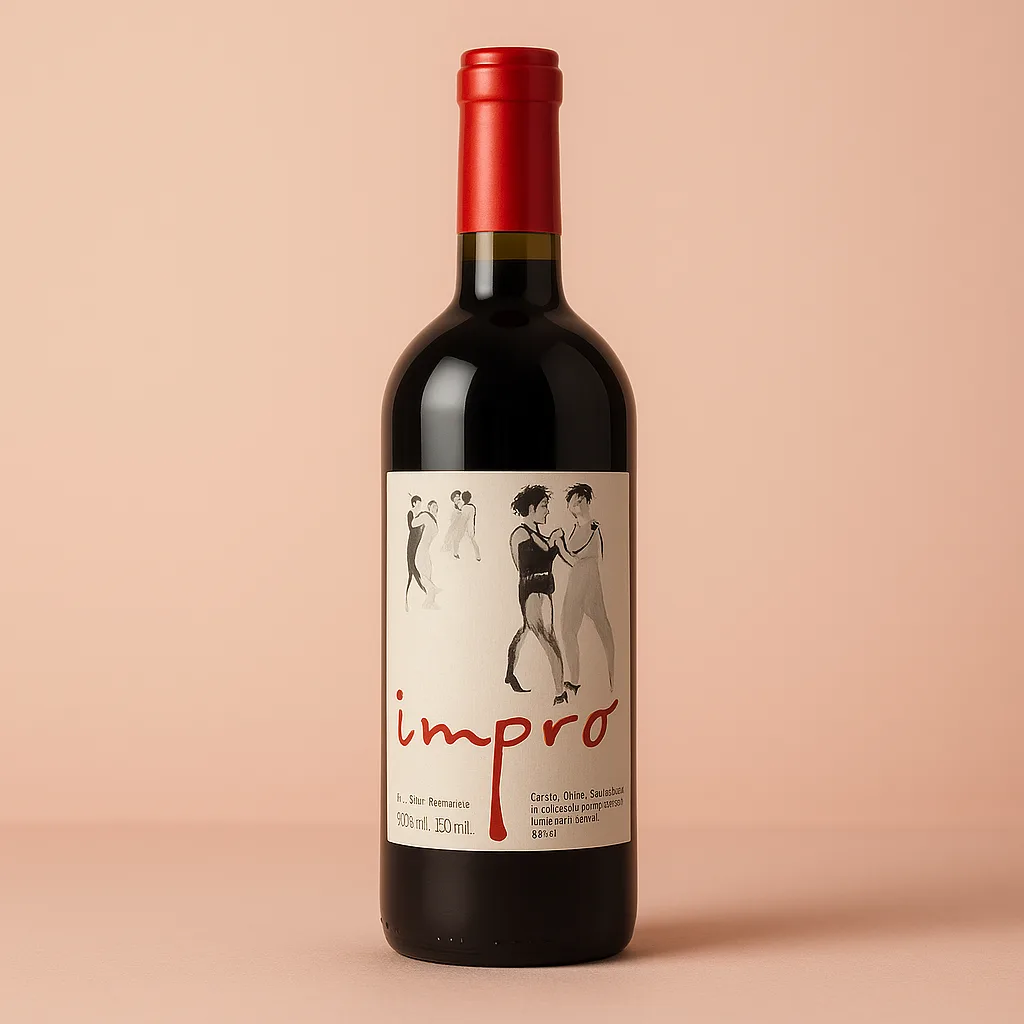
Impro 2022
Clos Fantine
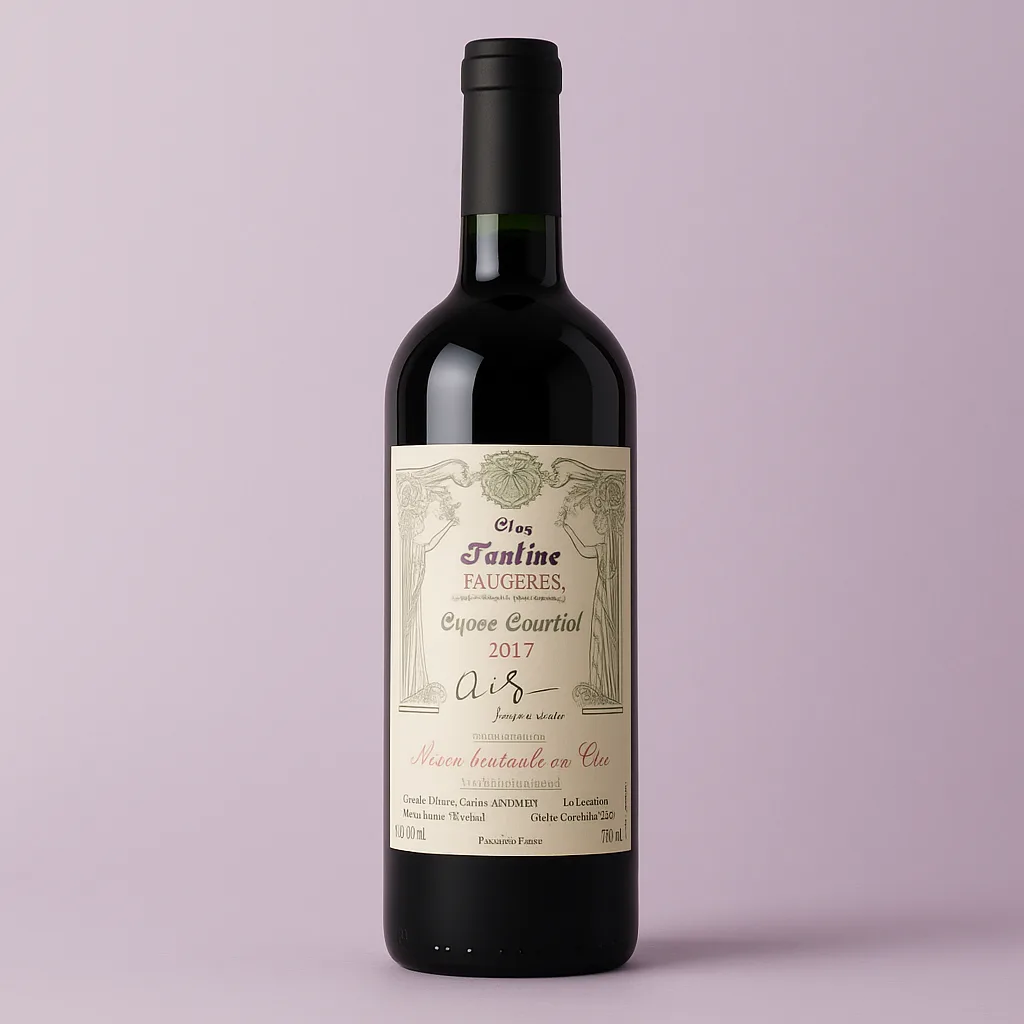
Courtiol 2022
Clos Fantine

Symbiose 2023
Mas Des Mesures
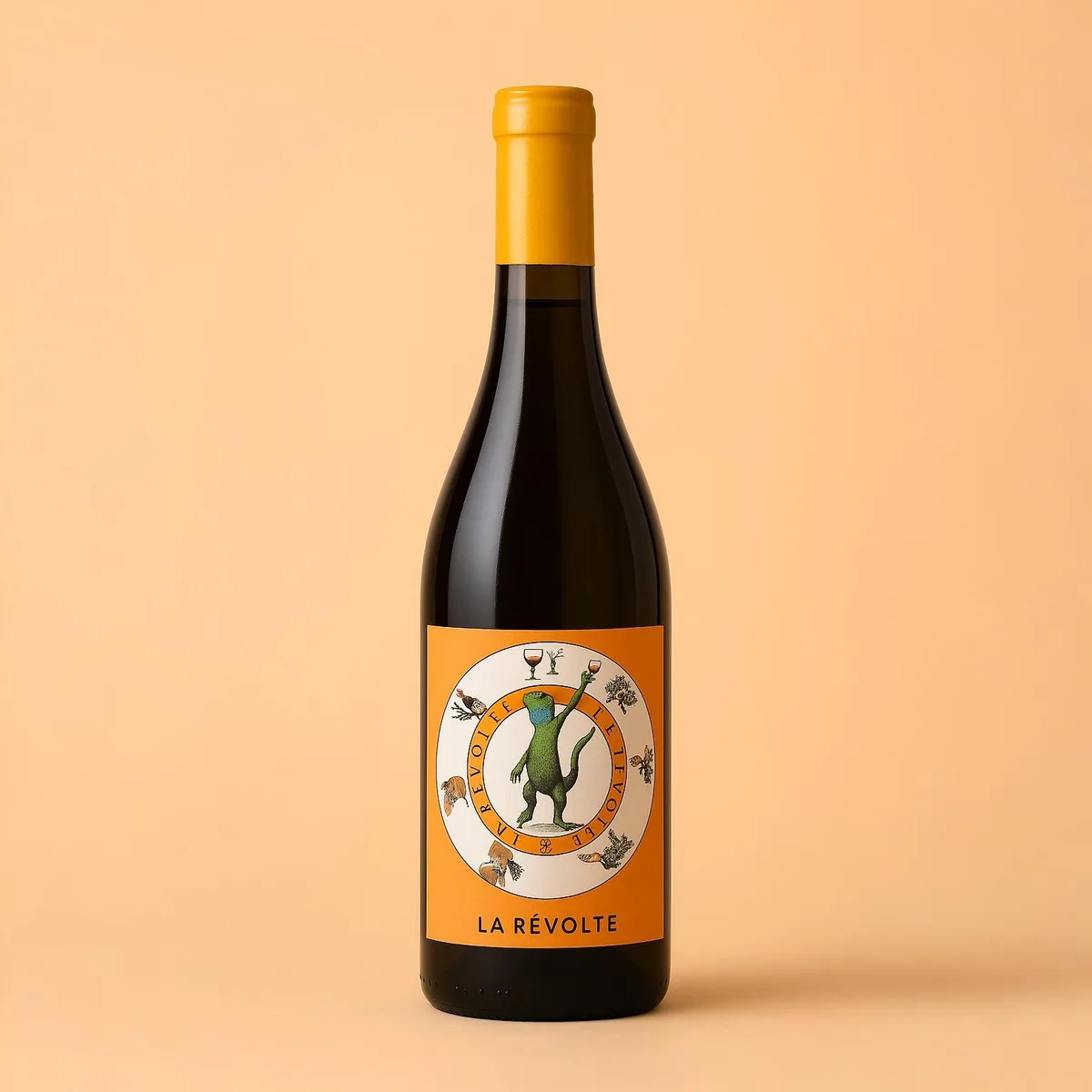
La Rêvolte Rouge 2023
La Revolte
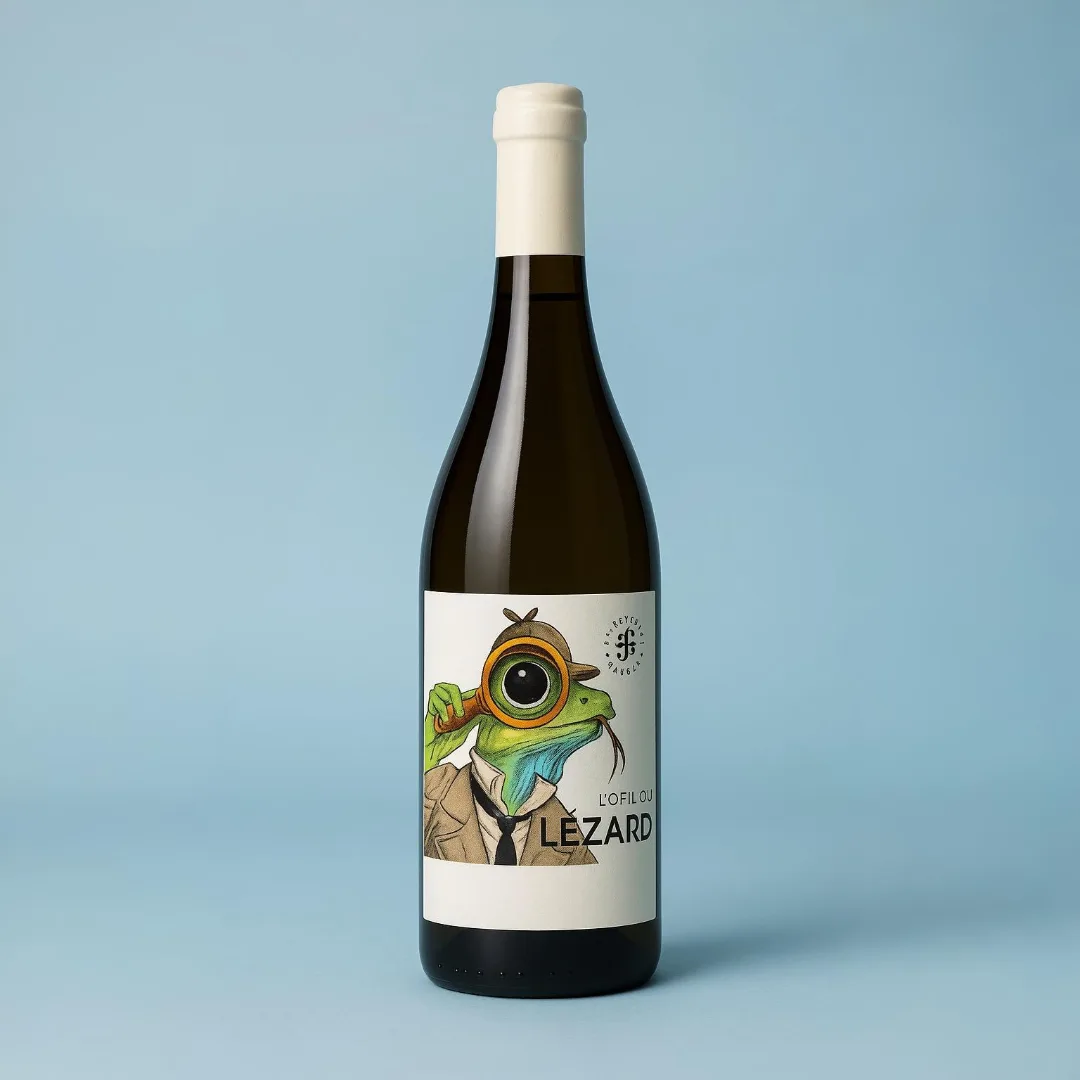
L’Oeil du Lézard 2022
La Revolte
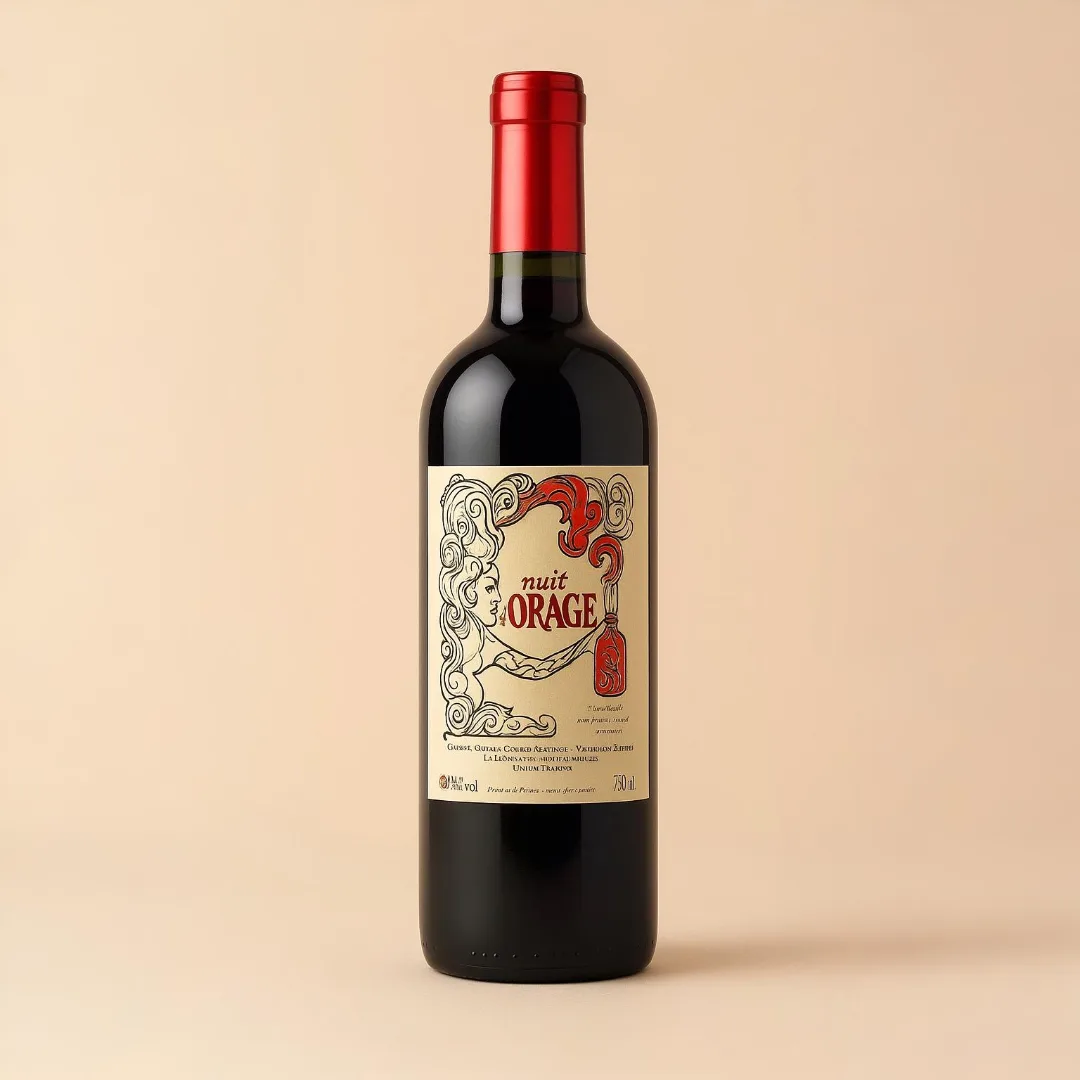
Nuit d’Orage 2023
Clos Fantine
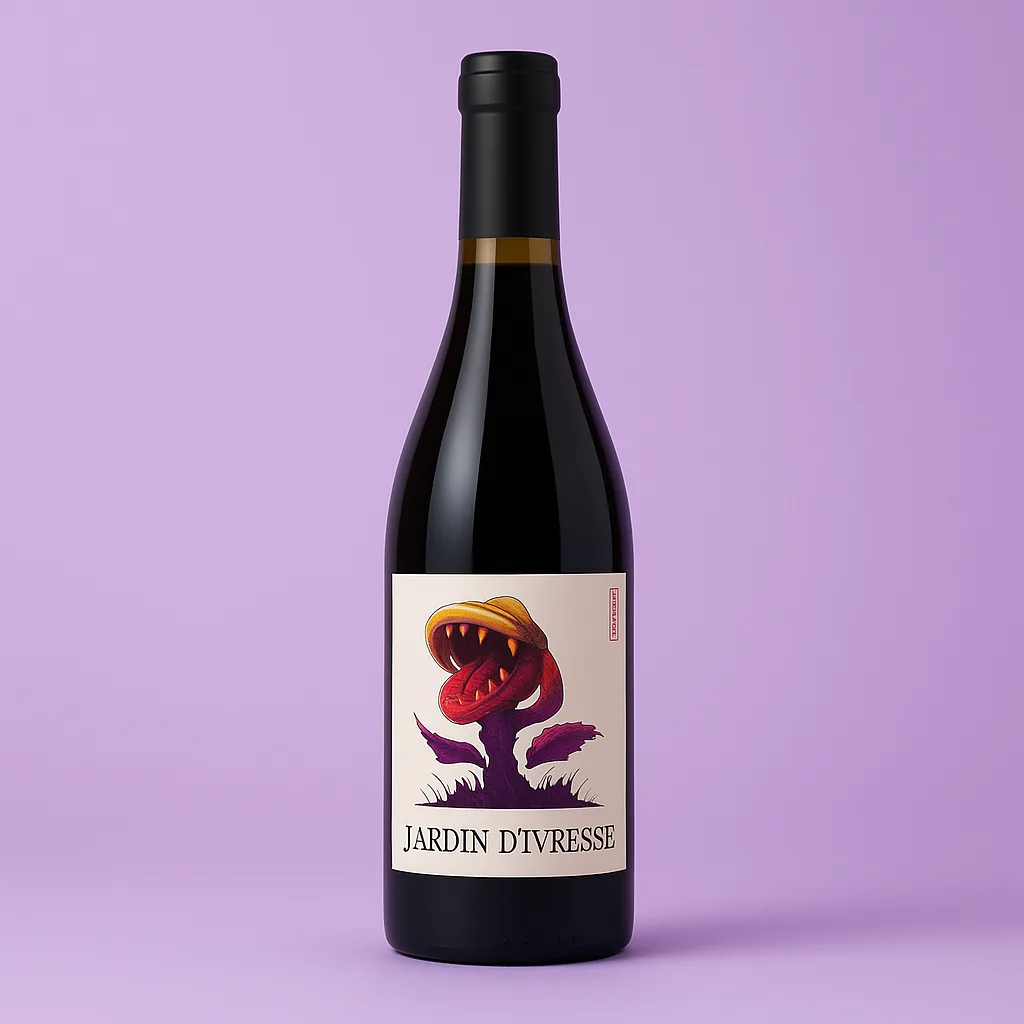
Jardin d'Ivresse 2024
Meigoon
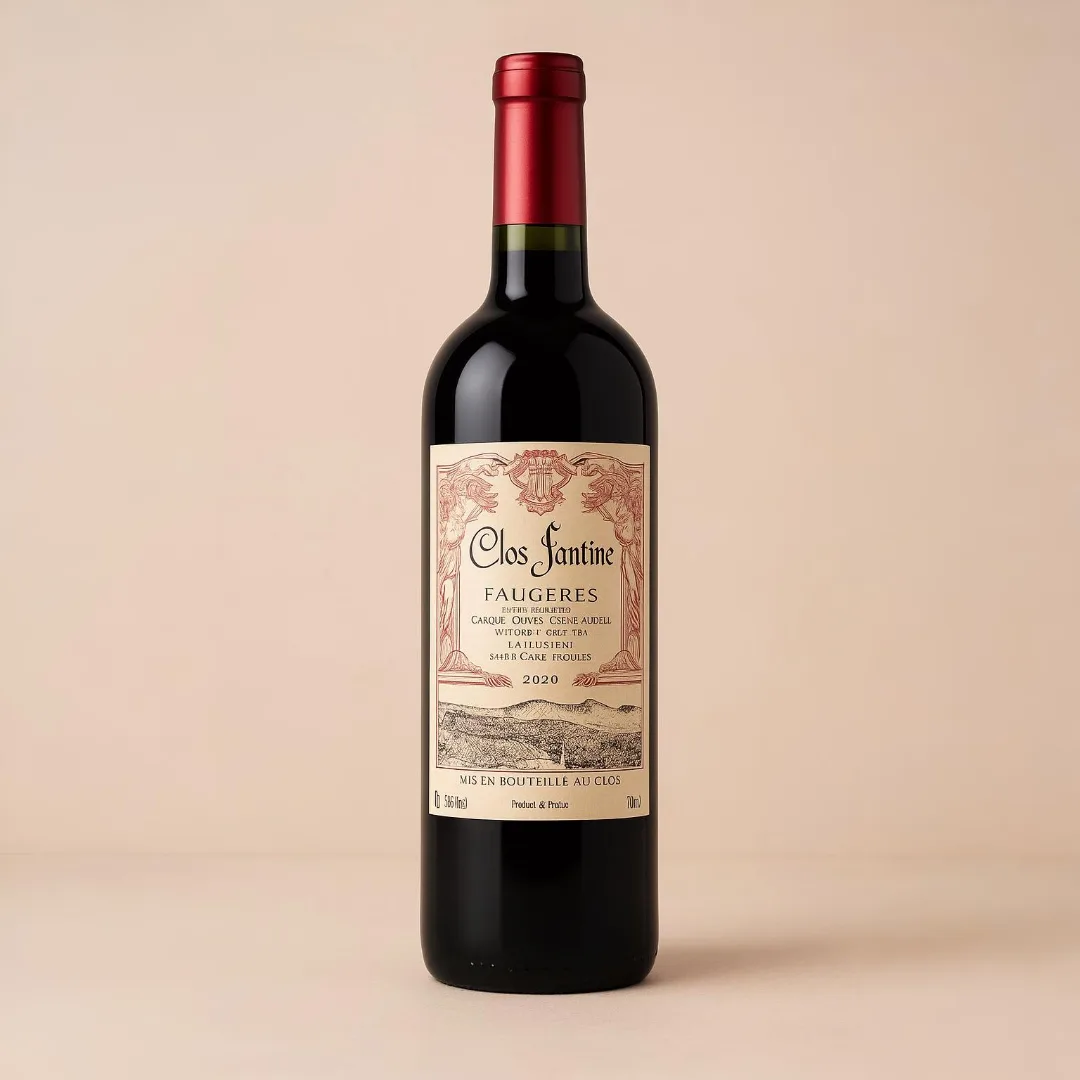
Faugeres Tradition 2020
Clos Fantine
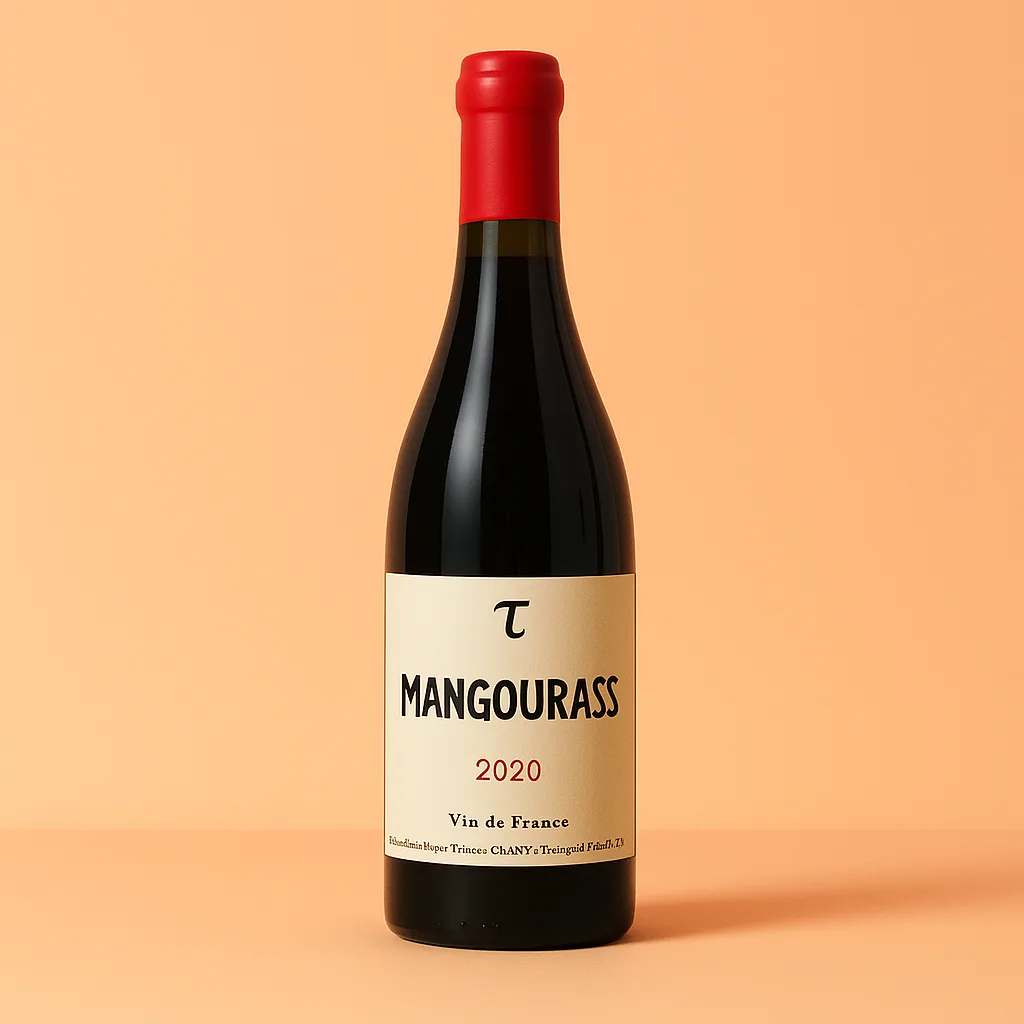
Mangourass 2022
Thomas Chany
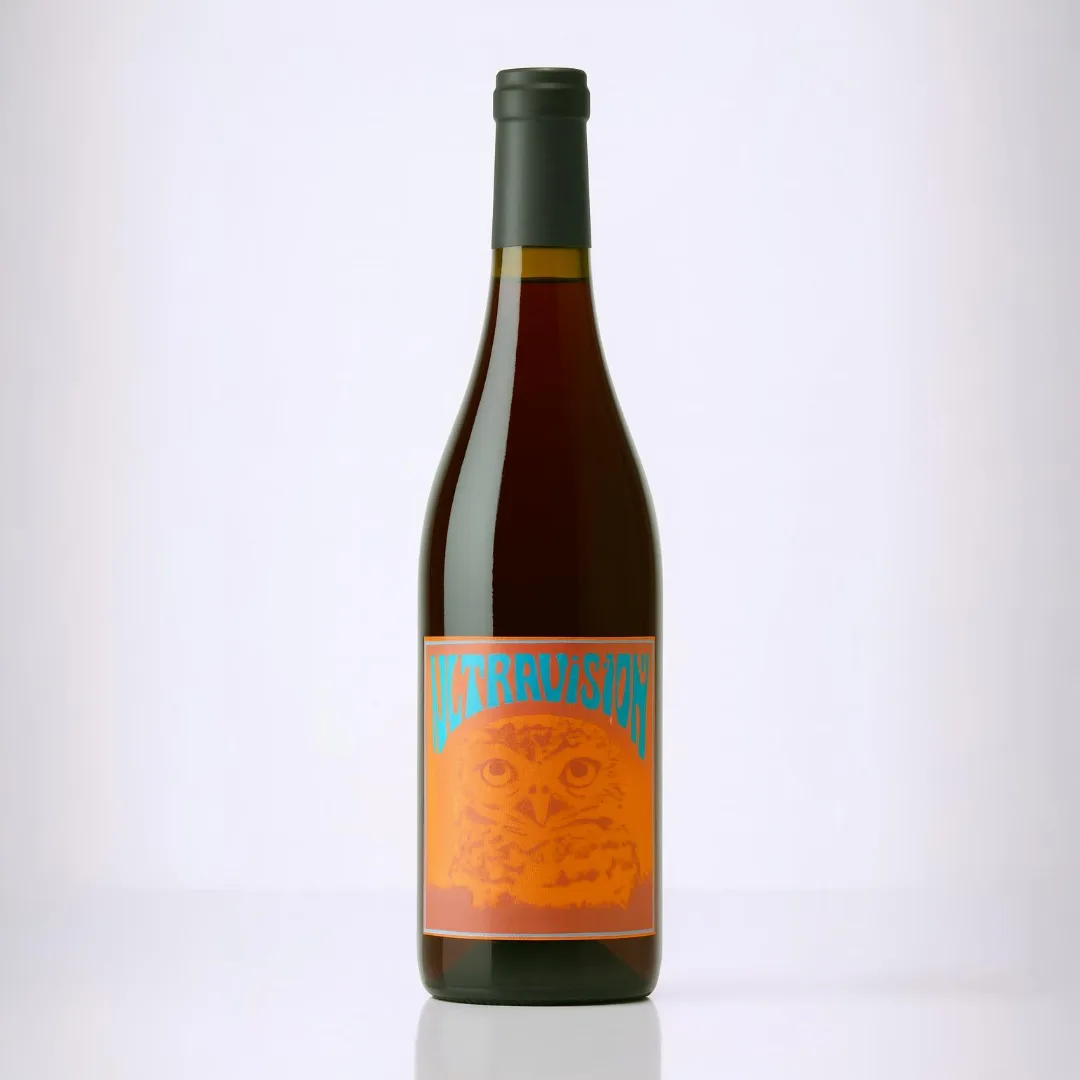
Ultravision 2023
Meigoon